
Figs vs dates, which is healthier
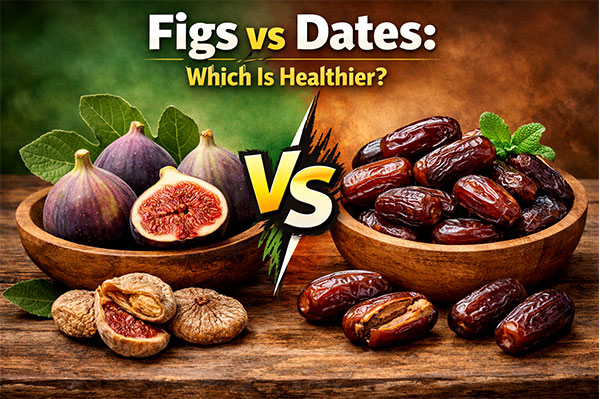
If you’ve ever wondered “figs vs dates which is healthier?”, you’re not alone. These two naturally sweet fruits are often compared for their sugar content, calories, and health benefits. But when it comes to real nutrition and long-term wellness, the answer isn’t as simple as choosing the sweeter one. So, are figs healthier than dates, or does it depend on your health goals?
When analyzing dates vs figs nutrition, the differences become surprisingly important — especially if you’re trying to lose weight, manage blood sugar, or improve digestion. Some people swear by dates for energy, while others claim figs are better for fiber and gut health. In fact, many health-conscious consumers who regularly buy Iranian dates specifically look for premium-quality varieties because origin and processing can influence taste and nutritional value. The real question is: how do they actually compare in terms of calories, sugar, and essential nutrients?
And if your goal is fat loss, the debate becomes even more interesting. In the comparison of dates vs figs for weight loss, small nutritional differences can make a big impact. One may help control cravings, while the other might spike your blood sugar faster than you expect. Let’s break down the facts and find out which one truly deserves a place in your diet.
Figs vs Dates: Which Is Healthier?
Figs are generally lower in sugar and calories, making them a smarter choice for weight loss and better blood sugar control. Dates, however, deliver more natural sugars and potassium, which makes them ideal for quick energy and athletic performance. The healthier option ultimately depends on your specific health goals.
Quick Comparison:
- For weight loss → Figs
- For energy → Dates
- For constipation → Both (figs slightly better due to higher fiber)
- For diabetics → Figs (in moderation, lower glycemic impact)
Dates vs Figs Nutrition Facts (Per 100g)
When comparing dates vs figs calories, sugar levels, and overall nutrient density, small differences can significantly impact weight loss, blood sugar control, and digestive health. Below is a clear breakdown of dates vs figs nutrition facts per 100g (dried form), which is the most commonly consumed version worldwide.
| Nutrient | Dates (Deglet Noor) | Dried Figs |
| Calories | 277 kcal | 249 kcal |
| Sugar | 66–75 g | 47–48 g |
| Fiber | 6.7 g | 9.8 g |
| Carbohydrates | 75 g | 63–64 g |
| Iron | 0.9 mg | 2.0 mg |
| Potassium | 696 mg | 680 mg |
| Glycemic Index | 42–55 (varies by type) | 40–45 |
Dates vs Figs Calories
If you’re focused on calorie control, figs contain slightly fewer calories per 100g. While the difference isn’t massive, it can matter for portion control and structured diet plans.
Dates vs Figs Sugar Content
Dates contain noticeably more natural sugars, which explains their sweeter taste and faster energy release. If you’re monitoring sugar intake, figs may be the better choice.
Fiber Content: Figs vs Dates
Looking at the fiber content figs vs dates, dried figs clearly win. With almost 10 grams of fiber per 100g, figs are particularly beneficial for digestion, gut health, and constipation relief.
Glycemic Index of Figs vs Dates
The glycemic index of figs vs dates is relatively moderate for both, but figs tend to have a slightly lower GI. This means figs may cause a slower rise in blood sugar compared to some date varieties — an important factor for diabetics or those managing insulin sensitivity.
While both fruits are nutrient-dense and naturally rich in antioxidants and minerals, the better option depends on whether your priority is energy, digestion, or blood sugar balance.
Which Has More Sugar: Dates or Figs?
Dates contain more total sugar per 100g than dried figs.
On average:
- Dates: 66–75g of natural sugar per 100g
- Dried figs: 47–48g of natural sugar per 100g
That’s a noticeable difference — and it explains why dates taste significantly sweeter and provide a faster energy boost.
But sugar content alone doesn’t tell the full story. To properly understand dates vs figs for blood sugar, we also need to look at fiber, glycemic index, and insulin response.
Natural Sugar Comparison
Both fruits contain natural sugars, primarily:
- Glucose
- Fructose
- Sucrose
Dates have a higher concentration of rapidly available sugars, which makes them popular among athletes and for quick energy. However, figs contain less total sugar and more fiber, which slows sugar absorption.
So if your main concern is which has more sugar dates or figs, dates clearly rank higher.
Do Figs Spike Blood Sugar?
Dried figs have a moderate glycemic index (around 40–45). Thanks to their higher fiber content (almost 10g per 100g), they tend to release sugar more gradually into the bloodstream.
This means:
- Slower glucose absorption
- Reduced insulin spike
- Better blood sugar stability compared to many refined sweets
However, portion size still matters. Eating large amounts of dried figs can still raise blood glucose levels.
Insulin Spike: Dates vs Figs for Blood Sugar
When analyzing dates vs figs for blood sugar, the key difference is:
- Dates: Higher sugar load per serving → faster glucose rise
- Figs: Higher fiber + slightly lower GI → slower glucose release
Dates have a glycemic index ranging from 42 to 55 (depending on the variety). Some types can cause a quicker insulin response compared to figs, especially if eaten alone on an empty stomach.
That said, when dates are consumed with protein or healthy fats (like nuts), their blood sugar impact becomes more balanced.
Ultimately, the difference isn’t about “good” vs “bad.” It’s about choosing the right fruit based on your metabolic health, activity level, and portion size.
Read More: Best Types of Dates for Diabetics
Dates vs Figs for Weight Loss
When it comes to dates vs figs for weight loss, the difference isn’t just about calories — it’s about sugar density, fiber content, and how full you feel after eating them. Both fruits are nutrient-dense, but one may support fat loss more effectively depending on portion size and overall diet.
Per 100g comparison:
- Dates: 277 calories, 66–75g sugar, 6.7g fiber
- Dried figs: 249 calories, 47–48g sugar, 9.8g fiber
At first glance, figs appear slightly more weight-loss friendly due to lower calories and higher fiber.
Are Dates Fattening?
A common concern is: are dates fattening compared to figs?
Dates are not inherently fattening. Weight gain happens from excess calories — not from one specific food. However, dates are:
- More calorie-dense
- Higher in sugar
- Easier to overeat due to their soft texture and sweetness
Because they provide quick energy, dates are excellent for athletes or active individuals. But if you’re sedentary and consume large portions, their calorie load can add up quickly.
The key issue isn’t that dates cause fat gain — it’s portion control.
Are Figs Good for Weight Loss?
So, are figs good for weight loss?
Yes — especially dried figs — for three main reasons:
- Higher fiber content (almost 10g per 100g)
- Lower sugar concentration compared to dates
- Greater satiety effect
Fiber slows digestion, reduces cravings, and helps control appetite. This makes figs particularly useful in calorie-controlled diets.
Additionally, their chewy texture naturally slows eating speed, which can help prevent overeating.
If your goal is fat loss and blood sugar stability, figs may have a slight advantage.
Best Portion Size for Fat Loss
No dried fruit should be eaten freely during a weight loss phase — even healthy ones.
Recommended portions:
- Dates: 1–2 medium dates (about 20–40g)
- Dried figs: 1–2 figs (about 30–40g)
Tips to improve fat-loss results:
- Pair with protein (Greek yogurt, nuts)
- Avoid eating alone on an empty stomach
- Use as a dessert replacement — not an addition
This approach minimizes insulin spikes and improves satiety.
Read More: Consumption of Dates for Weight Loss + Benefits and Best Time
Figs or Dates for Constipation?
If you’re struggling with slow digestion, one of the most common questions is: figs vs dates for constipation — which works better?
Both fruits are considered natural digestive aids and are frequently included in a high fiber fruits list, but figs have a noticeable edge when it comes to total fiber content and bowel regularity.
Per 100g (dried):
- Figs: ~9.8g fiber
- Dates: ~6.7g fiber
That difference may seem small, but for digestive health, it matters.
Gut Health Benefits
When comparing figs vs dates for constipation, gut microbiome support is another key factor.
Both fruits act as natural prebiotics:
- Feed beneficial gut bacteria
- Improve microbial diversity
- Support smoother digestion
However, because figs contain more fiber overall, they may provide stronger prebiotic support. Regular moderate consumption can:
- Improve stool consistency
- Reduce digestive sluggishness
- Support long-term gut health
That’s why figs often rank higher in digestive-focused high fiber fruits lists.
Dates vs Figs for Gym & Athletes
When it comes to dates vs figs for energy boost, both fruits are powerful natural fuel sources — but they work slightly differently in the body. For athletes, bodybuilders, and gym-goers, the choice often depends on timing and performance goals.
Let’s break down figs vs dates for bodybuilding and see which one actually supports better workouts.
Why Do Athletes Eat Dates?
There’s a reason dates are a staple in many athletes’ diets.
Dates are:
- High in fast-digesting natural sugars (glucose & fructose)
- Rich in potassium (supports muscle contraction)
- Easy to digest before workouts
- Quick to replenish glycogen stores
Because of their higher sugar content, dates provide rapid energy, making them ideal as:
- A pre-workout snack
- A quick intra-workout carb source
- A post-workout glycogen replenisher
If you’re asking dates or figs for pre workout? — dates often win for high-intensity training because they deliver faster usable energy.
That’s why many endurance athletes, runners, and even professional fighters rely on dates before training sessions.
Figs vs Dates for Bodybuilding
In the debate of figs vs dates for bodybuilding, the difference comes down to energy speed vs digestive support.
Dates:
- Higher total carbs
- Faster insulin response
- Better for bulking phases
- Stronger glycogen refill
Figs:
- Higher fiber
- Slightly lower sugar load
- Slower, steadier energy release
- Better for appetite control during cutting
Bodybuilders in a bulking phase may prefer dates due to higher carb density.
Those in a cutting phase might lean toward figs because of better satiety and slightly fewer calories.
Are Figs a Better Option for Athletes?
So, is fig actually better?
In some cases — yes.
Figs may be better if:
- You want fewer sugar spikes
- You’re training for endurance
- You need better digestive comfort
- You’re managing calorie intake
However, for short, intense sessions where fast fuel matters most, dates remain the more popular performance fruit.
Read More: Why Dates Are a Superfood for Athletes
If dates are your preferred choice for natural energy and muscle recovery, choosing high-quality, naturally grown varieties makes a big difference. You can explore premium options for bulk Iranian dates purchase directly from Espad tejarat Ayrik.
comparing figs vs dates during pregnancy & Women’s Health
When comparing figs vs dates during pregnancy, both offer important nutrients for women’s health, but they serve slightly different purposes. Dates are widely known for their potential benefits in late pregnancy, especially in the third trimester, as some studies suggest they may help support natural labor preparation due to their energy density and natural compounds. Figs, on the other hand, provide more fiber and calcium, which can help with constipation (a common pregnancy issue) and bone support. For iron intake and digestive health, figs may have a slight advantage, while dates are often preferred for quick energy and overall nourishment — both are safe in moderation unless otherwise advised by a healthcare provider.
Read More: 8 benefits of dates for women
which is better for heart health figs or dates
When comparing which is better for heart health, figs or dates, both offer important benefits. Dates are slightly higher in potassium, which helps regulate blood pressure and support healthy heart function. Figs, however, contain more fiber, which can help lower LDL (bad) cholesterol and improve overall cardiovascular health.
Figs also provide antioxidants that reduce inflammation — a key factor in heart disease. While both fruits can support heart health, figs may have a slight advantage due to their higher fiber content. Still, moderation is essential, especially because dates contain more natural sugar.
Conversion
In the end, both figs and dates offer impressive health benefits — but if you’re looking for a natural, energy-rich superfood backed by centuries of tradition, premium Iranian dates stand in a class of their own. From superior taste to exceptional quality, choosing the right source makes all the difference.
Experience authentic flavor and export-grade quality.
Buy premium Iranian dates from Espad Tejarat Ayrik today and enjoy nature’s finest energy source.
FAQ About figs or dates
Which is healthier, figs or dates?
Both are healthy, but figs are slightly better for weight loss and blood sugar control, while dates are better for quick energy and muscle fuel.
Which has more fiber?
Dried figs contain more fiber than dates, making them better for digestion and satiety.
Are dates more fattening than figs?
Dates are more calorie-dense and higher in sugar, so they can contribute to weight gain if eaten in large amounts — but moderation is key.
Can diabetics eat figs?
Yes, diabetics can eat figs in moderation due to their fiber content and moderate glycemic impact.
Are dried figs high in sugar?
Yes, dried figs contain natural sugars, but less than dates per 100g.


Leave a Reply
Want to join the discussion?Feel free to contribute!