When it comes to enjoying dates safely, many people overlook one important question: what is the best way to wash dates before eating them?

Although dates are often considered a ready-to-eat fruit, they can still carry dust, residues, or impurities from harvesting, drying, and packaging. That’s why taking a few simple steps to wash dates before eating can make a noticeable difference in both hygiene and taste. Knowing how to clean dates properly helps preserve their natural texture and sweetness while ensuring they are safe for everyday consumption.

When buy dates in bulk , cleanliness and proper handling become even more important, especially for bulk date purchases that are not individually packaged.

Do You Need to Wash Dates Before Eating?

Many people ask, should you wash dates before eating them, especially since dates are often sold as dried or ready-to-eat fruits. The truth is that dates do need washing in certain situations, particularly when there is a higher chance of exposure to dust, handling, or environmental contamination. In other cases, washing dates is optional but still recommended for extra hygiene.

Understanding when and why to wash dates before eating helps you make the safest choice without affecting their quality or texture.

When You Should Wash Dates

You should always wash dates if they fall into one of the following categories:

  • Bulk dates sold without sealed packaging
  • Unpackaged dates displayed openly in stores or warehouses
  • Dates from local markets where handling by multiple people is common

These types of dates are more likely to collect dust, dirt, or residues during harvesting, transportation, and storage. Because dates have a naturally sticky surface, they can easily trap particles from their surroundings. In these cases, washing is not optional — it’s the safest way to clean dates properly before consumption.

When Washing Dates Is Optional

Washing dates may be optional if you are consuming:

  • Packaged dates from reputable brands
  • Factory-cleaned dates that have been processed and sealed under hygienic conditions

These dates are typically cleaned during industrial processing and packed in controlled environments. While they are generally safe to eat straight from the package, some people still prefer to rinse them lightly for peace of mind. This optional step won’t harm the dates as long as they are not soaked or exposed to excess moisture.

The Best Way to Wash Dates Step by Step

If you want the best way to wash dates without ruining their texture or sweetness, the key is to rinse quickly, handle gently, and dry completely. Follow this simple washing dates step by step method to clean dates properly before you eat or use them in recipes.

Best Way to Wash Dates Step by Step

Best Way to Wash Dates Step by Step

Step 1: Sort and Inspect the Dates

Before washing, spread the dates on a clean plate or tray and quickly check for:

  • dust or visible debris
  • damaged or overly soft pieces
  • signs of mold or sour smell (discard these)

This step prevents contamination and helps you avoid washing dates that are already spoiled.

Step 2: Place Dates in a Colander

Put the dates in a clean colander or sieve. Avoid washing them directly in a bowl of water—this often leads to soaking, which can make dates sticky, soggy, and faster to spoil.

Step 3: Rinse Under Cold Running Water (Fast!)

Turn on cold running water and rinse the dates for 10–20 seconds, gently moving them with your hand so the water reaches all sides.

This is the safest way to wash dates before eating without affecting quality.

Avoid hot water—it can soften the skin and change the texture.

Step 4: Gently Rub to Remove Surface Dust

While rinsing, lightly rub the surface of the dates with your fingers to remove:

  • fine dust
  • light residue from storage/transport
  • sticky surface particles

Don’t scrub aggressively—dates are delicate and can tear, especially softer varieties.

Step 5 (Optional): Quick Natural Sanitizing Soak (Only if Needed)

If your dates are bulk dates from open markets or you suspect heavy handling, you can do a short sanitizing rinse:

  • Mix 1 part vinegar + 3 parts water
  • Dip dates for 30–60 seconds max
  • Rinse quickly again with cold water

Keep it brief—long soaking increases moisture absorption and reduces shelf life.

Step 6: Dry Dates Completely (Non-Negotiable)

Drying is what keeps washed dates from spoiling.

Best drying method:

  1. Spread dates in a single layer on a clean towel or paper towel
  2. Pat them dry gently
  3. Let them air-dry for 20–40 minutes (until no surface moisture remains)

Fully dry dates = better taste + longer freshness

Storing dates while damp = faster mold and stickiness

Step 7: Store Properly After Washing

Once dry, store them based on how soon you’ll use them:

  • Same day use: airtight container at room temp
  • 1–2 weeks: airtight container in the fridge
  • Longer storage: freezer-safe bag/container (best for bulk)

How to Dry Dates After Washing (Very Important)

Proper drying is just as important as washing. Even if you follow the best way to wash dates, failing at the drying stage can quickly ruin their texture, flavor, and shelf life. Drying dates after washing removes surface moisture that can lead to stickiness, fermentation, or mold. If you want to dry dates properly, use gentle methods and avoid heat or excess handling.

Air Drying vs Towel Drying

Both methods work well when done correctly, and the best option depends on time and quantity.

Air Drying (Best for Quality):

  • Spread dates in a single layer on a clean tray or rack
  • Place them in a well-ventilated, dry area
  • Let them air-dry for 20–40 minutes
  • Ideal for preserving natural texture and shine

Towel Drying (Best for Speed):

  • Place dates on a clean kitchen towel or paper towel
  • Gently pat them dry—do not rub aggressively
  • Allow a short air-dry period afterward to remove remaining moisture

Best practice: combine both methods—pat dry first, then air-dry completely.

Can You Use a Fan or Oven to Dry Dates?

Using a Fan (Acceptable with Caution):

  • A low-speed fan can help speed up air drying
  • Keep the fan at a distance to avoid dust contamination
  • Do not use strong airflow that hardens the outer skin

Using an Oven (Not Recommended):

  • Even low heat can soften or partially cook dates
  • Heat may cause sugar crystallization or flavor changes
  • High risk of uneven drying and quality loss

Natural air circulation is the safest way to dry dates properly without damage.

Common Mistakes When Washing Dates

This section helps users avoid problems that shorten shelf life or affect taste. These washing dates mistakes are among the most common reasons dates spoil after cleaning.

Soaking too long:

Dates absorb water quickly. Extended soaking causes them to become mushy, overly sticky, and prone to fermentation.

Using soap or chemicals:

Dish soap, bleach, or strong cleaners can be absorbed into the fruit and make dates unsafe to eat. Plain water is enough.

Storing dates while wet:

Even slight moisture can lead to mold growth and off-flavors. Dates must be completely dry before storage.

Using hot water:

Hot water softens the skin and damages the natural structure of dried dates.

Overhandling during washing:

Excessive rubbing or pressure can tear the skin, especially in soft varieties like Medjool.

Washing Packaged Dates vs Bulk Dates

Not all dates require the same level of cleaning. Understanding the difference between washing packaged dates and washing bulk dates helps you choose the safest method while protecting quality, texture, and shelf life. This comparison is especially useful for consumers, retailers, and food businesses.

Packaged Dates vs Bulk Dates – Washing Comparison

Factor Packaged Dates Bulk Dates
Packaging Sealed, factory-packed Open or loosely packed
Processing Usually washed and cleaned during processing Often minimally processed
Handling level Limited human contact Multiple handling points
Need for washing Optional Strongly recommended
Best washing method Quick rinse under cold water Thorough but fast rinse
Risk if not washed Low Medium to high
Drying importance Moderate Very high
Shelf life after washing Longer if dried properly Shorter if moisture remains

Key Takeaways:

Washing packaged dates is generally optional, especially when they come from reputable brands that follow hygienic processing standards. A quick rinse may be done for personal comfort but is not always necessary.

Washing bulk dates is highly recommended due to greater exposure to dust, storage conditions, and repeated handling during transport and sale.

Bulk dates require extra attention during drying, as retained moisture can quickly lead to spoilage.

Tip: If you regularly use or sell dates, starting with properly handled bulk dates from trusted suppliers reduces the need for heavy washing and minimizes quality loss.

How to Store Dates After Washing

Storing dates correctly after cleaning is essential to keep them safe and fresh. Even when you follow the best way to wash dates, improper storage can shorten shelf life and affect taste. Learning how to store dates after washing helps prevent moisture damage, fermentation, and mold—especially when dealing with bulk dates.

Refrigeration vs Room Temperature

Choosing the right storage method depends on how quickly the dates will be used.

Room Temperature Storage

  • Suitable for short-term use only
  • Best if dates will be consumed within 24–48 hours
  • Store in an airtight container
  • Keep in a cool, dry place away from sunlight

Room temperature storage works well for small quantities meant for immediate consumption.

Refrigeration Storage (Recommended)

  • Best option for washed dates
  • Slows bacterial growth and fermentation
  • Extends freshness without affecting flavor
  • Ideal for washed bulk dates

Always place dates in a sealed, airtight container before refrigerating to avoid moisture absorption and odor transfer.

How Long Washed Dates Stay Fresh

One of the most common questions is how long do washed dates last. The answer depends on storage conditions and how well the dates were dried before storage.

Storage Method How Long Washed Dates Last
Room temperature 1–2 days
Refrigerator 1–2 weeks
Freezer Several months

Tip: If dates develop an off smell, excessive stickiness, or visible mold, they should be discarded immediately.

Read More: How to store dates to keep them fresh for months?

Storage Best Practices

  • Always dry dates completely before storing
  • Use airtight containers only
  • Label containers with the washing date
  • Avoid frequent opening of storage containers

Should You Wash Dried Dates or Medjool Dates?

Whether you should wash dates depends not only on how they are sold, but also on the type of dates you are consuming. Many people wonder if dried dates or Medjool dates need special treatment before eating. The answer is simple: yes, but with slight differences in method.

Should You Wash Dried Dates?

Yes, dried dates should usually be washed, especially if they are sold in bulk or without sealed packaging.

Dried dates often go through open-air drying and extended storage, which increases the chance of:

  • dust accumulation
  • handling residues
  • environmental contaminants

Best practice for dried dates:

  • Rinse quickly under cold running water
  • Avoid soaking, as dried dates absorb water fast
  • Dry thoroughly before storage or use

This quick rinse is enough to clean dried dates properly without changing their texture.

Should You Wash Medjool Dates?

Yes, Medjool dates should also be washed, but with extra care.

Medjool dates are:

  • softer and moister than many dried varieties
  • more delicate in texture
  • more likely to tear if overhandled

Best practice for Medjool dates:

  • Gently rinse under cold water for a few seconds
  • Lightly rub the surface—no scrubbing
  • Pat dry carefully, then air-dry completely

If Medjool dates are factory-packaged and labeled as ready-to-eat, washing is optional. However, many people still prefer a gentle rinse for added peace of mind.

Conclusion

Washing dates the right way is not just about cleanliness—it’s about protecting both your health and the natural quality of the fruit. When done correctly, proper washing removes dust and surface contaminants without damaging texture, flavor, or shelf life. In short, correct washing means safety plus quality.

By following the best way to wash dates—a quick rinse under cold water, gentle handling, complete drying, and proper storage—you can enjoy dates that are clean, fresh, and just as delicious as intended. Whether you’re eating a small portion at home or handling larger quantities, starting with the right washing method makes all the difference.

FAQs About Washing Dates (Snippet-Optimized)

Do I need to wash dates before eating them?

Yes, in most cases you should wash dates before eating, especially if they are sold in bulk or without sealed packaging. Washing removes dust and surface contaminants. For factory-packaged dates, washing is optional but a quick rinse can add extra hygiene and peace of mind.

Can washing dates ruin their taste?

No, washing dates will not ruin their taste if done correctly. A quick rinse under cold water followed by proper drying preserves their natural sweetness and texture. Problems only occur when dates are soaked too long or stored while still wet.

Is it safe to eat unwashed dates?

It can be safe to eat unwashed dates if they are factory-packaged and labeled ready-to-eat. However, bulk or unpackaged dates may carry dust or residues, making washing the safer choice. When in doubt, a quick rinse is recommended.

What is the safest way to clean dates?

The safest way to clean dates is to rinse them briefly under cold running water, gently rub the surface to remove dust, and dry them completely before eating or storing. Avoid soaking, hot water, or using soap or chemicals.
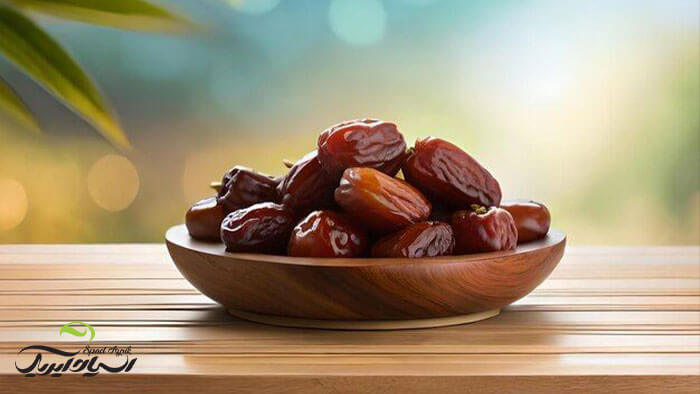
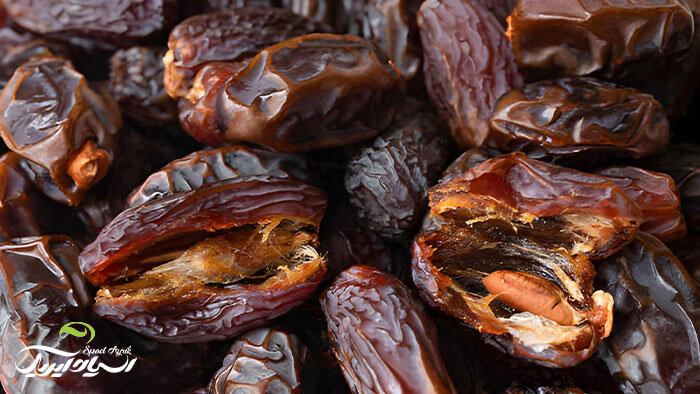
Identify Fresh Dates from Old Dates is an essential skill for anyone who buys, sells, or regularly consumes dates. Because dates can develop sugar crystals, dry out, or ferment over time, it’s easy to confuse fresh dates, old but edible dates, and spoiled dates.

This guide will help you confidently identify fresh dates using simple visual, smell, texture, and taste checks—without any special tools.

Fresh Dates vs Old Dates

Use this quick checklist before buying or eating dates:

Smell:

  • Fresh dates smell naturally sweet
  • Sour, alcoholic, or fermented smell

Texture:

  • Soft, fleshy, slightly sticky
  • Extremely hard, very dry, watery, or slimy

Surface:

  • Dry white sugar crystals (not fuzzy)
  • Fuzzy or powdery mold

Taste (if unsure):

  • Mild, rich sweetness
  • Sour, bitter, or fizzy taste

If a date fails more than one of these checks, it’s best not to eat it.

Signs of Fresh, High-Quality Dates

Fresh, high-quality dates have clear characteristics that can be identified using your senses. Paying attention to these signs helps you choose dates with the best taste, texture, and nutritional value.

1. Appearance of Fresh Dates

  • Fresh dates should look:
  • Even in color (depending on the variety)
  • Free from dark mold spots
  • Plump, not severely wrinkled
  • Naturally glossy or matte (not wet or greasy)

Some wrinkling is normal, especially in semi-dry dates—but excessive shrinkage often means the date is old.

2. Texture: The Most Reliable Test

Gently press the date between your fingers:

  • Fresh dates: Soft, chewy, and fleshy
  • Old dates: Hard, overly dry, or tough
  • Spoiled dates: Mushy, slimy, or leaking liquid

Extremely sticky or wet dates may indicate improper storage or fermentation.

3. Smell Test (Very Important)

Fresh dates have a mild honey-like or caramel aroma.

Avoid dates that smell:

  • Sour
  • Like vinegar
  • Like alcohol or wine

These smells indicate fermentation and spoilage.

Signs of Fresh, High-Quality Dates

Signs of Fresh, High-Quality Dates

Signs of Old or Spoiled Dates

Not all old dates are dangerous, but some are unsafe.

Old but Still Edible Dates

  • Drier than usual
  • Less aromatic
  • Slightly harder texture
  • Sugar crystallization on the surface

These are usually safe to eat if there is no bad smell or mold.

Signs of Old or Spoiled Dates

Signs of Old or Spoiled Dates

Dates That Should Be Thrown Away Immediately

Discard dates if you notice:

  • Fuzzy mold (white, green, blue, or black)
  • Sour or alcoholic odor
  • Slimy surface
  • Bitter or sour taste
  • Insects or larvae inside the fruit

When in doubt, do not taste further—throw them away.

The Difference Between Sugar Bloom and Mold (A Common Consumer Mistake)

One of the most common mistakes consumers make when buying or eating dates is confusing sugar bloom with mold. While they may look similar at first glance, they are very different in terms of safety and quality.

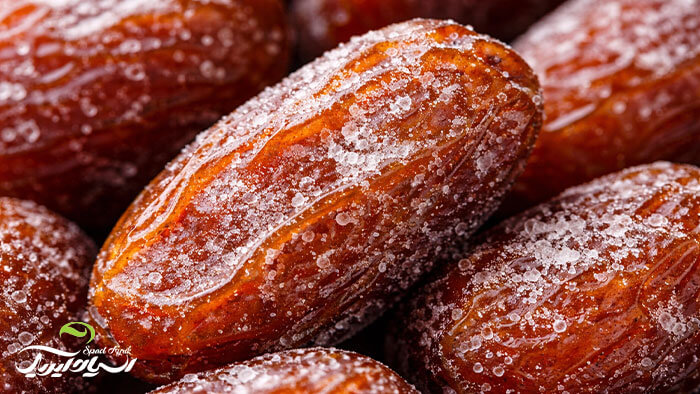
Sugar bloom (sugar crystallization) occurs when the natural sugars inside the date move to the surface and form small white crystals. It appears as a dry, grainy, or powder-like coating, does not have a fuzzy texture, and has no unpleasant smell. Sugar bloom is completely harmless and does not mean the dates are spoiled.

Mold, on the other hand, looks fuzzy, hairy, or cotton-like and may appear white, green, blue, or black. Mold is often accompanied by a musty or sour odor and indicates spoilage. Moldy dates should never be eaten, and scraping off the mold is not safe.

Understanding this difference helps consumers avoid throwing away perfectly good dates while also protecting themselves from eating spoiled ones.

Sugar on dates

Sugar on dates

Are moldy dates safe to eat?

Even if the mold appears on only a small area, mold can produce invisible toxins that spread throughout the fruit. Simply cutting off or scraping away the mold does not make the dates safe. Eating moldy dates can cause digestive problems and may pose health risks.

If you see fuzzy growth, unusual colors (white, green, blue, or black), or smell a musty or sour odor, it’s best to throw the dates away immediately to stay safe.

How to Store Dates to Keep Them Fresh Longer

Room Temperature Storage

Suitable for dry dates:

  • Store in an airtight container
  • Keep away from heat, light, and moisture
  • Consume within a few months

Refrigerator Storage (Recommended for Soft Dates)

Best for Medjool and other soft varieties:

  • Store in sealed containers
  • Prevents fermentation and moisture loss
  • Extends freshness up to 6–12 months

Freezing Dates for Long-Term Storage

Dates freeze very well:

  • Portion them before freezing
  • Use airtight freezer bags
  • Can last over a year without quality loss

Let frozen dates thaw naturally at room temperature before eating.

Read More: How to store dates to keep them fresh for months?

Why Premium Iranian Dates Stay Fresh Longer

High-quality Iranian dates are usually processed, packed, and stored more carefully, which helps them keep their texture, flavor, and freshness for a longer time. Popular varieties such as Mazafati dates are naturally soft and moist, so proper cold storage is especially important to prevent fermentation or spoilage during shipping. On the other hand, semi-dry varieties like Zahedi dates often have a longer shelf life because of their lower moisture content. Many importers and wholesalers who import Iranian dates carefully inspect packaging quality, storage temperature, and the Iranian dates price before purchasing dates for retail markets in Europe, Asia, and Russia.

How to Buy Fresh, High-Quality Dates

When buying dates, always check their appearance, texture, and smell. Fresh, high-quality dates should be plump, clean, naturally sweet-smelling, and free from mold or excess moisture. Uniform color and proper packaging usually indicate better quality and handling.

For Buy Iranian Dates , Spad Tejarat Ayrik Company is a trusted supplier of high-quality Iranian dates. The company provides professionally graded dates, suitable for wholesale and export markets, with reliable packaging and delivery.

Frequently Asked Questions about Identify Fresh Dates from Old Dates

1. Are sugar-crystallized dates spoiled? (Eat or Toss)

No, dates with sugar crystallization are not spoiled. The white coating is caused by natural sugars rising to the surface and forming crystals. As long as there is no mold, sour smell, or unusual taste, sugar-crystallized dates are safe to eat.

2. Can you cut off the moldy part of dates and eat the rest? (Food Safety and Inspection Service)

No, this is not safe. Mold can produce invisible toxins that spread throughout the date, even if the mold is visible in only one spot. For food safety reasons, moldy dates should be completely discarded.

3. How can you tell if dates have turned sour? (Zarrin Dates)

Sour dates usually have a sharp, acidic, or alcoholic smell and an unpleasant sour taste. They may also feel sticky, wet, or slightly fizzy due to fermentation. If you notice these signs, the dates should not be eaten.

4. What is the best way to store soft dates like Medjool? (Bulk Date Purchasing)

Soft dates such as Medjool are best stored in an airtight container in the refrigerator. This helps prevent fermentation and moisture loss while preserving freshness. For long-term storage, they can also be frozen.

5. Why do dates become hard and dry over time? (Photokade)

Dates become hard and dry mainly due to moisture loss caused by exposure to air, heat, or improper storage. While dry dates may still be edible, their texture and flavor are reduced. Proper storage in sealed containers helps slow this process.

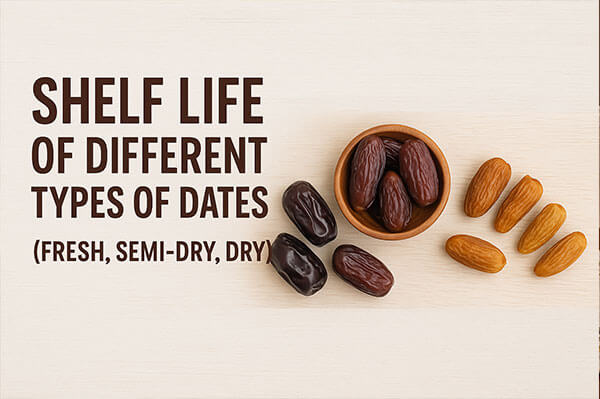
Shelf Life of Different Types of Dates is one of the most important factors buyers, exporters, and even everyday consumers consider when choosing the right variety of dates. Since each type of date—fresh, semi-dry, and dry—has its own unique moisture level and texture, their shelf life can vary significantly. Understanding how long different dates last, what affects their longevity, and how to store them properly helps ensure better quality, reduced waste, and safer consumption. For businesses involved in the wholesale of Iranian dates , knowing the exact shelf life of each variety (such as Mazafati, Piarom, Zahedi, and Kabkab) is essential for selecting the right product, choosing suitable packaging, and maintaining quality during transportation. In this guide, we’ll break down the shelf life of each type of date, the key factors that influence it, and the best practices to extend freshness—whether you’re a bulk buyer, a retailer, or simply a date enthusiast.

What Is the Shelf Life of Dates?

The shelf life of dates refers to the amount of time this fruit can maintain its freshness, flavor, texture, and safety before it begins to spoil. Unlike many other fruits, dates naturally have a long shelf life thanks to their low water activity and high natural sugar content. However, the exact duration varies greatly depending on the type of date.

Fresh dates like Mazafati have a high moisture content and therefore a shorter shelf life, typically lasting a few weeks at room temperature and several months in the refrigerator. Semi-dry dates such as Piarom remain fresh for much longer—often up to a year when stored properly. Dry dates like Zahedi or Deglet Noor can remain stable for more than 12–18 months, especially when kept in cool and dry conditions.

Shelf Life of Different Types of Dates (Fresh, Semi-Dry, Dry)

The shelf life of dates varies significantly depending on their moisture level. Dates are generally categorized into three main groups—fresh, semi-dry, and dry—and each type has a different longevity, storage requirement, and suitability for export. Understanding these differences helps buyers, wholesalers, and retailers choose the right variety based on storage conditions and distribution needs.

Shelf Life of Different Types of Dates

Shelf Life of Different Types of Dates

1. Shelf Life of Fresh Dates (e.g., Mazafati Dates)

Fresh dates contain high moisture (25–35%), which makes them soft, juicy, and highly perishable.

Storage Condition Shelf Life
Room Temperature 7–15 days
Refrigerator (0–5°C) 2–3 months
Freezer (-18°C) 12 months+

Fresh varieties like Mazafati (Rotab) require continuous cold storage from harvest to delivery. This type is ideal for domestic sales or controlled refrigerated export.

Buy Mazafati Dates

2. Shelf Life of Semi-Dry Dates (e.g., Piarom, Kabkab)

Semi-dry dates contain low to moderate moisture (15–20%), giving them a firm but flexible texture. Their reduced moisture naturally increases their storage stability.

Storage Condition Shelf Life
Room Temperature 3–4 months
Refrigerator 8–12 months
Freezer 18 months+

Semi-dry varieties like Piarom (Chocolate Dates) are highly popular for export because they maintain quality during long-distance transport without needing continuous refrigeration.

Buy Piarom Dates

3. Shelf Life of Dry Dates (e.g., Zahedi, Deglet Noor)

Dry dates have very low moisture (10–15%), making them the longest-lasting type of date. Their stability and resistance to spoilage make them ideal for bulk storage and international shipping.

Storage Condition Shelf Life
Room Temperature 12–18 months
Refrigerator 18–24 months
Freezer 24 months+

Varieties such as Zahedi are widely used in wholesale, industrial applications, and long-term export markets due to their extended shelf life and low storage cost.

Buy Zahedi Dates

Factors That Affect the Shelf Life of Dates

The shelf life of dates is not determined only by their type (fresh, semi-dry, or dry). Several external and internal factors play a critical role in how long dates remain safe, fresh, and marketable. Understanding these factors helps suppliers, exporters, and wholesale buyers choose the right storage method and packaging to maintain product quality during transportation and long-term storage.

1. Moisture Content (The Most Important Factor)

Moisture level directly influences spoilage rate.

  • High-moisture dates (e.g., Mazafati) spoil faster due to microbial growth.
  • Semi-dry and dry dates last much longer because they naturally resist fermentation and mold.

Moisture content determines whether the fruit requires refrigeration, cold-chain transport, or ambient storage, especially in export markets.

2. Temperature & Humidity Conditions

Dates are sensitive to temperature fluctuations.

  • Warm and humid environments accelerate fermentation, texture changes, and mold growth.
  • Cool, dry temperatures significantly extend shelf life.

Ideal storage range:

  • Fresh dates: 0–5°C
  • Semi-dry/dry dates: 5–20°C

Proper temperature control is crucial for international shipments.

3. Packaging Type

The type of packaging used can dramatically extend the shelf life of dates.

Common packaging options:

  • Vacuum packaging: Removes oxygen and slows microbial growth.
  • MAP (Modified Atmosphere Packaging): Perfect for export; reduces oxidation.
  • PET containers & zip-lock bags: Protect from contamination but less effective for long-term storage.
  • Bulk cartons with liners: Common in wholesale shipments of dry dates.

This section is an ideal spot to link to your “Iranian Dates Wholesale” or “Dates Packaging for Export” page.

4. Storage Hygiene & Handling Practices

Poor handling introduces bacteria and speeds up spoilage.

Factors include:

  • Cleanliness of processing facilities
  • Avoiding excessive touching or bruising
  • Using food-grade materials
  • Prevention of cross-contamination during sorting and packaging

Exporters typically follow HACCP and GMP standards to maintain shelf life.

5. Sugar Crystallization & Natural Aging

Over time, dates naturally undergo sugar migration and surface crystallization.

  • This does not usually mean the fruit is spoiled.
  • But it can affect appearance, texture, and export quality.

Proper storage slows down this natural aging process.

6. Exposure to Air, Light, and Odors

Dates are highly absorbent and can pick up odors from nearby products.

Exposure to air and light accelerates:

  • Oxidation
  • Drying out
  • Flavor loss

Using airtight and UV-protected packaging helps maintain original quality.

7. Presence of Additives or Preservatives

Some producers use natural methods (like pasteurization) to enhance shelf life.

Most premium Iranian dates are 100% natural, meaning proper storage is even more critical to preserve quality.

How Long Do Dates Last in Different Conditions?

The shelf life of dates depends heavily on where and how they are stored. Temperature, humidity, and exposure to air all influence how long dates maintain their flavor, texture, and safety. The following guide shows exactly how long fresh, semi-dry, and dry dates last in room temperature, refrigerator, and freezer conditions—helping wholesalers, exporters, and consumers choose the right storage method based on their needs.

1. Shelf Life at Room Temperature

Room temperature is the least stable environment, but semi-dry and dry dates still perform well because of their low moisture levels.

Date Type Room Temperature Shelf Life
Fresh Dates (Mazafati) 7–15 days
Semi-Dry Dates (Piarom, Kabkab) 3–4 months
Dry Dates (Zahedi, Deglet Noor) 12–18 months

Tip: Fresh dates should not be kept outside the refrigerator, especially in warm climates. For dry and semi-dry dates, store them in a cool, dark place.

2. Shelf Life in the Refrigerator

Refrigeration slows microbial activity, fermentation, and texture changes—making it ideal for nearly every variety of dates.

Date Type Refrigerated Shelf Life (0–5°C)
Fresh Dates 2–3 months
Semi-Dry Dates 8–12 months
Dry Dates 18–24 months

Refrigeration is strongly recommended for Mazafati, Kabkab, and other moisture-rich dates to preserve freshness.

3. Shelf Life in the Freezer

Freezing dates is the best option when long-term storage is needed. Freezing keeps moisture stable and prevents spoilage without affecting taste or nutritional value.

Date Type Frozen Shelf Life (-18°C)
Fresh Dates 12 months or more
Semi-Dry Dates 18–24 months
Dry Dates 24 months or more

Frozen dates should be stored in airtight, freezer-safe packaging to prevent ice crystals and maintain texture.

Which Storage Method Is Best?

  • For wholesale and export → Refrigeration or MAP/vacuum packaging
  • For home storage → Refrigeration for fresh/semi-dry, pantry for dry dates
  • For long-term supply management → Freezing is the most reliable option

Proper storage not only maintains quality but also protects your product during shipping, especially for premium Iranian varieties like Mazafati, Piarom, and Zahedi.

How Packaging Affects Export Shelf Life

Packaging plays a major role in extending the export shelf life of dates by protecting them from moisture loss, microbial growth, and physical damage during long-distance transportation. High-quality packaging methods such as vacuum packs, MAP (Modified Atmosphere Packaging), PET containers, and bulk cartons with inner liners help maintain freshness, texture, and color while preventing contamination. Proper sealing, oxygen barriers, and temperature-controlled logistics ensure that both fresh and semi-dry varieties—especially Mazafati and Piarom—reach international markets with optimal quality and longer shelf life.

Conclusion

Understanding the shelf life of different types of dates is essential for choosing the right variety for retail, wholesale, or export. Each type—fresh, semi-dry, and dry—offers unique advantages when stored properly and packaged with high-quality materials. Whether you’re a global buyer, food distributor, or importer looking for stable long-term supply, selecting dates with the right shelf life ensures better product quality, reduced waste, and more profitable shipments.

If you’re searching for trusted Iranian date supplier with export-grade packaging and consistent quality, Irick Dates is ready to support your business. We supply premium varieties such as Mazafati, Piarom, Zahedi, Sayer, Rabbi, Kabkab, and more—available for bulk orders and international export.

For more information about buying dates in bulk from Iran, read our Wholesale Iranian Dates guide.

FAQ About Dates Shelf Life

How long do dates last after opening the package?

After opening the package, dates generally last 1–2 months in the refrigerator and up to 12 months in the freezer, depending on the variety. Fresh dates like Mazafati should be refrigerated immediately, while semi-dry and dry dates remain stable longer but still benefit from cool, airtight storage.

Can dates grow mold?

Yes, dates can grow mold—especially fresh or high-moisture varieties—if exposed to warm, humid conditions or stored improperly. Mold most commonly appears when dates are kept at room temperature for too long or when packaging is not sealed well.

How to increase shelf life for export shipments?

To maximize shelf life during export, exporters should use vacuum or MAP packaging, maintain a cold-chain system for fresh and semi-dry varieties, control humidity, and use high-quality cartons with food-grade liners. Keeping temperatures between 0–5°C significantly slows spoilage and preserves quality during long-distance transport.

Do vacuum-packed dates last longer?

Yes. Vacuum-packed dates last significantly longer because oxygen is removed from the package, reducing oxidation and microbial growth. This method is ideal for export, allowing fresh and semi-dry dates to maintain freshness for several months to over a year, depending on storage temperature.

Dates are among nature’s sweetest fruits — soft, caramel-like, and packed with energy. But with that sweetness comes a common question: are dates high in sugar? Whether you’re watching your blood sugar, following a weight-management plan, or simply curious about healthy snacking, understanding how much sugar dates contain (and what kind of sugar it is) is key.

If you want to experience their natural sweetness for yourself, try some of the world’s finest Iranian dates – known for their rich flavor, smooth texture, and naturally balanced sugar content.

The truth is, dates do contain a significant amount of natural sugar, but that’s only part of the story. Unlike refined sugar, the sweetness in dates comes wrapped in fiber, minerals, and antioxidants that can influence how your body processes that sugar. So while dates taste indulgent, their impact on blood glucose — and your overall health — depends on how many you eat, the variety you choose, and what you eat them with.

In this article, we’ll break down exactly how much sugar is in dates, compare them to other fruits and sweeteners, explore their glycemic index, and offer practical tips on how to enjoy dates without spiking your blood sugar. Let’s separate the myths from the facts so you can decide whether dates deserve a regular spot in your diet.

Sugar Content in Dates: The Numbers

Dates are naturally high in sugar — that’s part of what makes them so deliciously sweet. But how much sugar do they actually contain? The answer depends on the type of date, its size, and how it’s processed (fresh, semi-dried, or fully dried).

How Much Sugar Is in One Date?

On average, a single Medjool date contains about 16 grams of sugar. Smaller varieties like Deglet Noor typically contain around 4–6 grams of sugar per date.

That means even a few dates can add up quickly in terms of sugar intake — especially if you’re eating them by the handful.

Date Type Serving Size Total Sugar (approx.) Calories
Medjool 1 large (24 g) 16 g 66 kcal
Deglet Noor 1 medium (8 g) 4.5 g 23 kcal
100 g (mixed dates) — ≈ 66 g sugar 277 kcal

Quick takeaway: 100 grams of dates — roughly 4 Medjool or 10 Deglet Noor — contain about 66 grams of sugar, which is more than what you’d get in a 330 ml can of cola.

Natural Sugar vs. Added Sugar

It’s important to note that the sugar in dates is natural, not added. The main types of sugar found in dates are:

Glucose

Fructose

Sucrose (depending on the variety)

Because dates are a whole fruit, their sugars come packaged with dietary fiber, minerals (like potassium and magnesium), and antioxidants that slow down sugar absorption in the bloodstream.

That means dates raise your blood sugar more gradually than refined sugar or candy — though they still provide a significant dose of carbohydrates.

Fresh vs. Dried Dates

Fresh (or “soft”) dates contain more water and less concentrated sugar, while dried dates have less moisture and a denser sugar content.

For example, 100 grams of fresh dates might contain around 35–40 grams of sugar, compared with 65–70 grams in the same weight of dried dates.

Tip: If you’re monitoring sugar intake, choose fresh or semi-dried dates and limit portion size — one or two dates can satisfy a sweet craving without overloading your blood sugar.

What Kind of Sugar Is in Dates?

Dates get their sweetness from natural sugars, not from anything added during processing. Unlike refined table sugar, which is almost pure sucrose, the sugar profile of dates is a mix of glucose, fructose, and sucrose — three simple carbohydrates that behave differently in your body.

1. Glucose

Glucose is the body’s main source of energy. It’s absorbed quickly, giving an almost immediate energy boost — one reason dates are a popular natural pre-workout snack.
However, because glucose enters the bloodstream rapidly, eating large amounts of dates at once can temporarily raise blood sugar levels.

2. Fructose

Fructose, also known as “fruit sugar,” is sweeter than glucose but metabolized mainly in the liver.
Although it doesn’t spike blood sugar as sharply as glucose, too much fructose — even from natural sources — can contribute to excess calorie intake and may affect metabolism in some individuals if consumed in large quantities.
Dates contain a significant amount of fructose, especially softer varieties like Medjool.

3. Sucrose

Sucrose is a combination of glucose and fructose (what we know as table sugar).
Some types of dates — especially drier varieties — contain higher sucrose levels, while others are dominated by glucose and fructose.
For example, Deglet Noor dates typically have more sucrose, whereas Medjool dates are richer in glucose and fructose.

Sugar Type Role in Dates Effect on the Body
Glucose Immediate energy Raises blood sugar quickly
Fructose Adds sweetness, metabolized in liver Lower immediate blood sugar impact, but excessive intake can stress metabolism
Sucrose Common in semi-dry dates Breaks down into glucose + fructose during digestion

The Natural Sugar Advantage dates

While the sugars in dates are simple carbohydrates, their impact is moderated by the fruit’s nutrient matrix — fiber, potassium, and antioxidants all help slow digestion and improve the body’s response.
That means eating a few whole dates is not the same as eating spoonfuls of white sugar: the presence of fiber and phytonutrients makes dates a smarter, more natural source of sweetness.

In short: Yes, dates are high in sugar — but it’s natural sugar that comes with beneficial nutrients, not the refined kind that leads to empty calories.

Glycemic Index, Glycemic Load & Blood Sugar Impact

Dates are undeniably sweet, but that doesn’t automatically mean they send your blood sugar skyrocketing.
To understand how dates actually affect blood glucose, we need to look at two key measurements: the Glycemic Index (GI) and the Glycemic Load (GL).

What Is the Glycemic Index (GI)?

The glycemic index ranks foods on a scale of 0 to 100 based on how quickly they raise blood sugar after eating.

  • Low GI: 55 or less
  • Medium GI: 56–69
  • High GI: 70 or above

Despite their sweetness, dates generally fall into the low-to-medium GI range.
Most studies report GI values between 42 and 55, depending on the variety and ripeness level.

Date Variety Average GI Category
Medjool 55 Medium
Deglet Noor 47 Low-medium
Barhi (fresh) 42 Low
Zahedi dates 52 Medium

Key point: Even though dates are high in sugar, their glycemic index is not high, thanks to their fiber, antioxidants, and slower-digesting carbohydrate profile.

Do Dates Spike Blood Sugar?

The short answer is not as sharply as refined sugar, but portion size matters.
The fiber in dates (about 6–7 g per 100 g) slows carbohydrate absorption.

The natural balance of glucose and fructose results in a gentler, more gradual rise in blood sugar.

However, eating 5–6 Medjool dates at once can still cause a noticeable increase in glucose, especially for people with insulin resistance or diabetes.

To manage this:

  • Pair dates with protein or healthy fat (nuts, yogurt, nut butter).
  • Consume them after a balanced meal, not on an empty stomach.
  • Monitor your personal response with a glucose meter if needed.

In summary: Dates contain natural sugars that raise blood glucose gradually, not suddenly. Their moderate GI and fiber content make them a better option than most processed sweets — as long as you keep portions reasonable.

Conclusion

So, are dates high in sugar? Yes — but it’s natural sugar wrapped in nutrition, not the refined kind that harms your health.
Dates are undeniably sweet, with about 60–70 grams of sugar per 100 grams, yet they also deliver fiber, potassium, magnesium, and antioxidants that slow sugar absorption and support your body in countless ways.
The real key is moderation and balance. One or two dates can be a smart, energizing snack — a perfect way to satisfy your sweet tooth without reaching for processed sweets. But eating too many, especially for those managing diabetes or weight, can quickly add up in sugar and calories.

Think of dates as a nutrient-dense natural sweetener, not as a free pass to unlimited sweetness. Enjoy them mindfully: pair them with protein or healthy fats, savor them after meals, and choose whole dates over syrups or refined sugar substitutes.

Top 5 Frequently Asked Questions about Dates Sugar

1. Are dates high in sugar?

Yes, dates are naturally high in sugar. On average, they contain 60–70 grams of sugar per 100 grams, depending on the variety and ripeness.
However, this sugar is natural, not added — and dates also include fiber, potassium, and antioxidants that help slow sugar absorption and balance their impact on blood glucose.

2. How much sugar is in one date / 100 g of dates?

  • One Medjool date (about 24 g): ~16 g of sugar
  • One Deglet Noor date (about 8 g): ~4.5–5 g of sugar
  • Per 100 g of dates: roughly 65–70 g of sugar

So yes, they are sweet — but remember, their sugar comes in a nutrient-rich package rather than refined form.

3. Do dates spike blood sugar?

Dates have a low-to-moderate glycemic index (GI 42–55), meaning they don’t cause a sharp spike in blood sugar when eaten in moderation.
Because they contain fiber and natural compounds, the rise in glucose levels happens more gradually.
Still, eating too many dates at once can increase blood sugar significantly — so portion control is key.

4. Are dates safe for diabetics?

Yes — in moderation.
Research shows that most people with diabetes can safely consume 1–2 medium dates per serving without large blood sugar spikes, especially when paired with protein or healthy fat (like nuts or yogurt).
Always monitor your own response and follow your doctor’s guidance.

5. Which date variety has less sugar?

Sugar content varies by type and moisture level:

  • Fresh or semi-dried dates (like Barhi or Zahidi) have less concentrated sugar.
  • Smaller varieties (like Deglet Noor) generally contain less sugar per piece than large, moist ones like Medjool.

If you’re watching your sugar intake, choose smaller or semi-dried dates and limit portion size.

6. Dates vs other dried fruit sugar content

Dates are among the sweetest dried fruits:

Fruit (100 g) Sugar (g)
Dates 66 g
Raisins 65 g
Prunes 38 g
Dried apricots 53 g
Dried figs 47 g

So yes, dates are high in sugar — but they also provide more fiber and minerals than many other dried fruits.

7. Are dates better than candy / other sweets?

Definitely.
While both are sweet, dates contain natural sugars plus nutrients like potassium, magnesium, and antioxidants — whereas candy and refined sugar offer only empty calories.
Dates also have fiber, which helps control blood sugar and supports gut health.
So if you crave something sweet, a couple of dates are a far healthier choice than candy.

With thousands of palm groves and dozens of premium date varieties, many traders and retailers still don’t know where to source high-quality dates at real market prices!

If you’re looking to buy Mazafati , Piarom, or Kabkab dates in bulk — directly from producers, with guaranteed freshness and fair prices — this guide is exactly what you need.

In this article, we’ll introduce the best and most reputable wholesale date suppliers in Iran — from the date markets of Bam and Jiroft to export companies in Kerman and Bushehr that handle a large share of Iran’s date exports.

You’ll also learn how to evaluate date quality, compare prices, and buy directly without middlemen.

Whether you’re planning to export or simply want to stock your dried fruit shop,

here you’ll find a real, practical list of suppliers, price insights, and golden tips from Iran’s thriving date market.

Stay with us to the end — and make your next purchase smarter and more profitable..

The Importance of Dates in Iran’s Domestic and Export Markets

Dates are not only one of Iran’s oldest agricultural products but also one of the main pillars of the agricultural economy in the country’s southern regions.

With more than 240,000 hectares of palm groves and an annual production exceeding 1.3 million tons, Iran stands alongside Egypt and Saudi Arabia as one of the world’s top three date exporters.

In the domestic market, dates hold a special place in Iranian households — from daily consumption during Ramadan to use in the food and confectionery industries.

This high demand has led to the growth of hundreds of wholesale date centers across the southern and central provinces — from Bam and Jiroft to Ahvaz, Bushehr, and Hormozgan.

On the international stage, Iranian dates are highly valued for their unmatched variety, natural sweetness, and high-quality packaging, making them one of Iran’s most sought-after export goods.

Countries such as India, Turkey, the UAE, Russia, and China are among the main destinations for Iranian dates, generating millions of dollars in annual foreign revenue.

Moreover, the rising global demand for organic, preservative-free dates has created a golden opportunity for Iranian brands to expand their presence in this multi-billion-dollar market — by investing in modern packaging, branding, and international marketing.

In summary, dates in Iran are far more than an agricultural product —

they are a source of employment, export income, and national brand identity. With proper planning in production and wholesale distribution, dates can become one of the key foundations of a sustainable Iranian economy.

The Largest Wholesale Date Markets in Iran

Iran produces more than 40 varieties of dates with different grades and qualities, but only a few cities and provinces are recognized as the main hubs for production and wholesale distribution.

In this section, you’ll get to know the most important supply and export centers — regions that not only serve the domestic market but also hold the pulse of Iran’s global date exports.

1. Bam Date Market (Kerman Province) – The Capital of Mazafati Dates

Bam is the largest center for the production and sale of Mazafati dates in Iran — and in fact, the world.

The city has over 30,000 hectares of active palm groves, yielding 100,000–120,000 tons of dates annually.

Bam’s Mazafati dates are famous for their soft texture, natural sweetness, and long shelf life, making them a favorite in both domestic and international markets.

Key Features:

  • Main source of export-grade Mazafati dates
  • Numerous cold storage facilities and packaging companies
  • Direct purchasing possible from producers or export firms

Pro Tip: When buying in bulk from Bam, check the moisture level (ideal for export: 13–17%) and the export packaging type.

2. Ahvaz and Shadegan (Khuzestan Province) – The Hub for Kabkab and Estameran Dates

Khuzestan is Iran’s second-largest date-producing region, home to more than 70 date varieties.

The cities of Shadegan, Abadan, and Ahvaz are major wholesale centers for Kabkab, Barhi, and Estameran dates.

Key Features:

  • Direct supply from Shadegan palm groves
  • Suitable for domestic and export buyers
  • Lower prices compared to the Bam market

Average wholesale price for Kabkab dates: 45,000–65,000 IRR/kg, depending on quality and packaging.

3. Bushehr and Dashtestan – Center for Kabkab and Zahedi Dates

The Bushehr Province is one of Iran’s leading date export hubs to the Persian Gulf region.

Kabkab and Zahedi dates from Dashtestan are well-known for their large size and mild sweetness, highly popular in Arab markets.

Key Features:

  • Focused on exports to Kuwait, the UAE, and Qatar
  • Equipped warehouses and modern cold storage facilities
  • Active export-oriented packaging companies

Annual date production in Bushehr: Over 200,000 tons.

4. Jiroft and Kahnooj (Southern Kerman) – Home of Shahani and Mordasang Dates

Southern Kerman, in addition to Bam, is home to extensive palm groves in Jiroft and Kahnooj.

Shahani and Mordasang dates are among the most popular varieties here, commonly used fresh or in confectionery products.

Key Features:

  • Early-ripening dates, ideal for summer consumption
  • Strong domestic market demand (especially Tehran and Mashhad)
  • Competitive wholesale prices

5. Hormozgan (Bandar Abbas, Hajiabad) – Home of Piarom, Iran’s “Black Gold”

Piarom dates, known as “Iran’s Black Gold,” are grown in Hajiabad, Hormozgan Province — considered the finest and most expensive date variety in Iran.

With its thin skin, distinctive taste, and long shelf life, Piarom is internationally recognized as the “Chocolate Date.”

Key Features:

  • Direct exports to Europe, China, and Arab countries
  • Luxury packaging and precise grading standards
  • High profit margins for traders and exporters

Comparative Table of Iran’s Major Wholesale Date Markets

Region / Province Main Varieties Annual Production Export Focus Average Price (IRR/kg)
Bam (Kerman) Mazafati 100,000–120,000 tons Global markets 90,000–160,000
Khuzestan (Ahvaz, Shadegan) Kabkab, Estameran, Barhi 200,000+ tons Regional & domestic 45,000–65,000
Bushehr (Dashtestan) Kabkab, Zahedi 200,000+ tons Gulf countries 50,000–80,000
Jiroft & Kahnooj Shahani, Mordasang 70,000–90,000 tons Domestic 40,000–60,000
Hormozgan (Hajiabad) Piarom 30,000+ tons Europe, Asia 180,000–280,000


Guide to Choosing a Reliable Date Supplier

Selecting a trusted wholesale date supplier can mean the difference between high profit and heavy loss.

Many buyers make decisions based solely on price — but in reality, factors like product quality, legal licenses, experience, and storage conditions are what truly define a seller’s credibility.

Below is a comprehensive checklist to help you evaluate and verify wholesale date suppliers 👇

Checklist for Evaluating a Date Supplier’s Credibility

Evaluation Criteria Description Pro Tip
1. Official Business License The supplier should hold a valid trading or business license issued by the Union of Dried Fruit Sellers or the Ministry of Agriculture. Avoid unlicensed sellers or newly established brands without proven track records.
2. Experience and Customer Feedback Companies with 5+ years of experience are generally more reliable and stable. Search the company name online and review customer feedback before purchasing.
3. Product Variety and Grading A reputable supplier offers multiple date varieties (Mazafati, Piarom, Kabkab, Zahedi, etc.) in clearly defined quality grades. Choose centers with transparent grading systems (e.g., Super, Export, Local).
4. Packaging Quality and Storage Conditions Proper cold storage and standard warehouses are signs of professionalism. Premium dates should be stored at 4–10°C with controlled humidity.
5. Direct Purchase from Producers Buying directly from producers reduces costs and ensures freshness. Prefer centers that own palm groves or have direct contracts with farmers.
6. Transparent Pricing and Official Invoices A valid invoice listing date variety, weight, and price is a sign of reliability. Avoid cash-only transactions without invoices.
7. Export Capability and Custom Packaging Reputable export companies can provide custom packaging that meets international standards. For exports to Europe, ensure packaging includes nutrition labels and production dates.

Smart Buyer Tips:

  • Focus on price stability, not just low prices. Reputable suppliers rarely show sudden price fluctuations.
  • Always request a product sample before placing bulk orders. One kilogram can reveal the quality of the entire shipment.
  • For export purchases, buy only from suppliers with ISO, HACCP, or National Standard certifications.
  • In online or remote transactions, always sign an official sales contract to minimize the risk of defective or non-compliant shipments.

Common Mistakes When Choosing a Date Supplier:

  • Even experienced traders sometimes make costly mistakes when selecting wholesale date suppliers.
  • Avoiding the following errors can save you time, money, and your business reputation:
  • Overemphasizing price and ignoring quality
  • Focusing solely on finding the lowest price often leads to poor-quality products, higher wastage, and customer dissatisfaction.
  • Buying from unlicensed intermediaries
  • Always verify business permits and supplier legitimacy. Unauthorized middlemen often lack accountability and quality control.
  • Neglecting warehouse and storage conditions
  • Dates require controlled temperature and humidity. Poor storage can cause fermentation, mold, or loss of flavor.
  • Overlooking packaging and branding for export markets
  • For exports, packaging design and labeling standards are just as important as product quality. Weak branding can limit your access to premium markets.


  • Mismatching date types with target markets
  • Each country prefers specific date textures and moisture levels — for instance, Mazafati (soft) dates are less suitable for Russia, where drier varieties sell better.

Best Wholesale Date Websites in Iran (2025)

If you’re planning to buy iranian dates in bulk — whether for domestic sales or export purposes — choosing the right online platform is crucial.

Below is a list of the most reputable and active wholesale date websites in Iran, trusted by traders, retailers, and exporters alike.

Espad Tejarat Ayrik (Ayrik Dates) – The Leading Hub for Date Purchase & Export

Website: ayrikdates.com

Features & Advantages:

  • Direct supply of major date varieties — Piarom, Mazafati, Kabkab, and Zahedi — from southern Iranian palm groves
  • Licensed exporter with international-standard packaging facilities
  • Options for bulk orders, seasonal supply contracts, and private-label branding for traders
  • Proven record of collaboration with international buyers in the Persian Gulf and Central Asia

Key Insight:

  • Espad Ayrik is not just a seller — it is an official supplier of Iran’s premium export dates.
  • If your goal is reliable sourcing, customized packaging, and direct export without middlemen,
  • this company is your top choice for 2025.

Other Reliable Wholesale Date Websites in Iran:

Platform Name Description
Iran Rotab Specialized in Mazafati and Kabkab wholesale supply
Zandes Offers export-grade Piarom and Zahedi dates with private labeling
Iran Date Export Center Focused on bulk export to Asian and European markets
Behesht Khorma Trusted domestic supplier with diverse varieties
Organ Khorma Dedicated to certified organic date production
Nuts Bazar Marketplace for nuts and dried fruits, including bulk dates
Chamk Group Supplier for corporate and B2B clients
Baskol Business trading platform connecting wholesalers and exporters

Espad Tejarat Ayrik (Ayrik Dates) stands out in 2025 as the most reliable choice for bulk date purchases in Iran — combining export-grade quality, customizable packaging, and strong commercial credibility.

Whether you’re an exporter, distributor, or retailer, Ayrik Dates offers a professional, transparent, and globally trusted solution for sourcing authentic Iranian dates.

Conclusion

Dates are the sweet gold of Iran’s palm groves — a product that shines both in the domestic market and on the international export stage.

By identifying trusted wholesale centers and reputable online platforms, buyers can protect themselves from price fluctuations, middlemen, and poor quality, ensuring a safe and profitable purchase.

If your goal is to source premium-quality dates for retail or export, it’s essential to choose suppliers with proven experience, official licenses, and modern cold storage facilities.

Among them, Espad Tejarat Ayrik (Ayrik Dates) has emerged as one of Iran’s most reliable wholesale suppliers, offering professional export services and direct sourcing from palm groves.

Before making any deal, always evaluate the quality, history, and credibility of your supplier —

because in the competitive date market, the right choice can make the difference between an ordinary transaction and a golden export opportunity.

Frequently Asked Questions About Wholesale Date Sales in Iran

  1. Which city in Iran produces the best dates?

Bam, located in Kerman Province, is known as the capital of Mazafati dates.

Its dates are globally famous for their rich flavor, dark color, and ideal moisture balance.

After Bam, Hajiabad in Hormozgan Province ranks second, renowned for producing premium Piarom dates.

  1. Where are the best wholesale date centers in Iran?

The top wholesale date markets are found in the cities of Bam, Ahvaz, Shadegan, Bushehr, and Hajiabad.

Among online platforms, Espad Tejarat Ayrik (Ayrik Dates) stands out as one of the most reputable sources for bulk purchases — offering official export licenses and international-standard packaging.

  1. What are the key features of export-quality dates?
  • Export-grade dates must have:
  • Low moisture content (below 18%)
  • Hygienic and sealed packaging
  • Clearly labeled production and expiration dates

To enter international markets, suppliers must also hold certifications such as ISO and HACCP.

  1. Which date varieties are suitable for export to Europe or Arab countries?
  • For European markets, Piarom and Zahedi dates are ideal due to their long shelf life and lower moisture.
  • For Arab markets, Mazafati and Kabkab dates are preferred for their sweeter taste and softer texture.
  1. Is it possible to buy dates directly from palm groves?

Yes. Some companies — such as Espad Tejarat Ayrik (Ayrik Dates) — work directly with palm grove owners and supply dates without intermediaries, ensuring fresher and more cost-effective products.

One of the most common questions people ask is about the calories of dates and their impact on diet plans. In this article, we explore the calories in dates, compare different varieties such as Medjool, Mazafati, Deglet Noor, and Ajwa, and show you how to calculate the dates calories count accurately. We will also answer which type of date has more energy, from fresh dates calories to dried dates calories, and share practical tips on how to balance or burn the calories you get from enjoying this naturally sweet fruit.

one dates calories

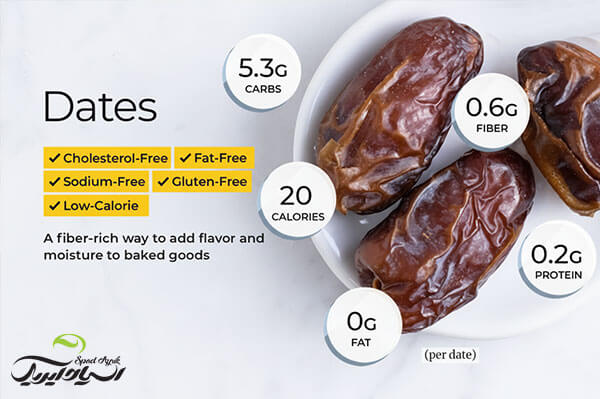
The calories of dates depend on their type. In general, one medium-sized date (around 20 grams) contains about 50 to 60 calories. This amount, due to the natural sugars found in dates, provides the body with a high level of energy. Dates are an excellent source of quick energy and can be enjoyed as a healthy snack throughout the day.

Calories in one date depend mainly on its variety and size:

  • Deglet Noor (small, ~7 g): about 20–23 kcal per date.
  • Medjool (large, ~24 g): about 66 kcal per date.

Other common types like Mazafati or Ajwa usually fall in between, averaging 25–35 kcal per piece depending on moisture and weight.

Read More: What Happens If We Eat Dates Daily?

one dates calories

one dates calories

Calories of Different Types of Dates

Dates come in various types, each with its own characteristics and calorie content. Below, we review the calories of dates for several popular varieties:

  • Piarom dates calories count: Piarom dates, one of the most popular varieties, contain about 60 calories per piece. They are usually medium-sized with a sweet and delicious taste.
  • Mazafati Dates Calories count: Mazafati dates, which are usually consumed fresh, have around 55 calories per piece. They are softer and sweeter than dried dates, which can make them slightly higher in calories compared to other types.
  • Kabkab Dates Calories count: Kabkab dates, known for their dark color and elongated shape, provide about 70 calories per 30 grams (approximately one date). They are among the higher-calorie varieties, with a rich taste and strong sweetness.
  • Khassui Dates Calories count: Khassui dates, which are typically smaller than other varieties, contain around 40–50 calories per piece. They are one of the lower-calorie options, making them suitable for those aiming to lose weight.
  • Kharak (Unripe) Dates Calories count: Kharak dates, which are unripe dates, have fewer calories than ripe varieties. Each Kharak contains about 35–40 calories.
  • Dried Dates Calories count: Dried dates, because of the drying process, have more calories compared to fresh dates. About 30 grams of dried dates provide around 80 calories.

Calories of Different Types of Dates

Calories in Popular Iranian Dates Varieties

The calorie content of dates can vary depending on the type and size of the fruit. Popular Mazafati dates are usually softer and slightly lower in calories than dried varieties, while Zahedi dates are firmer and naturally sweeter. Premium Piarom dates are also known for their rich flavor and balanced nutritional value. Since different Iranian dates have different sugar and fiber levels, checking portion size is important when tracking daily calorie intake. Many international buyers also compare the Iranian dates price when choosing the best date variety for retail or wholesale markets.

Calorie Chart of Dates Varieties

In the table below, you can find the calorie content of different date varieties available in the market. This makes it easier to choose lower-calorie dates if you are following a diet plan and want accurate information.

Type of Date Calories (per piece / 30 g) Notes
Piarom Dates ≈ 60 kcal Medium size, sweet taste
Mazafati Dates ≈ 55 kcal Fresh, soft and sweeter
Kabkab Dates ≈ 70 kcal Dark color, elongated, high-calorie
Khassui Dates ≈ 40–50 kcal Small size, lower calorie, diet-friendly
Kharak (Unripe Dates) ≈ 35–40 kcal Unripe date, fewer calories
Dried Dates ≈ 80 kcal Higher calorie due to drying process


Which has more calories: dried dates or fresh dates?

Dried dates have more calories than fresh dates.

The reason is that during the drying process, water is removed while the natural sugars remain concentrated. As a result, per 100 grams:

  • Fresh Dates (Yellow/Unripe): about 107–145 calories
  • Dried Dates: about 277–282 calories

This means that dried dates provide almost twice as many calories as fresh dates for the same weight.

Read More: Benefits and Side Effects of Dates for Fatty Liver

dates milkshake calories

A dates milkshake can vary widely in calories depending on the recipe and portion size. Here’s a clear breakdown:

  • Basic dates milkshake (with milk + 4–5 dates): about 240–300 calories.
  • Dates milkshake with nuts (almonds, cashews, etc.): about 350–420 calories.
  • Creamy or ice cream–based dates shake: often 450–500+ calories per serving (12–16 oz).

So, when someone asks about dates milkshake calories (or dates shake calories), the range is roughly 240–500 kcal per glass, depending on ingredients and serving size.

Read More: 10 Benefits of Dates for Skin

Dates Calories vs. Sugar Calories

Both dates and sugar contain natural sugars, but there are major differences in their nutritional composition. In addition to sugar, dates provide fiber, vitamins, minerals, and antioxidants that help the body receive energy in a healthier way. Refined sugar, on the other hand, contains only sugar and lacks other nutrients. In terms of calories, dates usually have slightly fewer calories than refined sugar, but because of their nutrients, dates are considered a healthier choice for energy compared to sugar. Therefore, consuming dates as an energy source is not only beneficial but also has better health effects.

Calories in Date Chips

Date chips, which are made by drying and processing dates into a crunchy form, have a higher calorie content compared to fresh natural dates due to their concentrated sugars. Every 30 grams of date chips can contain about 100 to 120 calories. This product should be consumed in moderation to avoid excess calorie intake.

The Lowest Iranian Dates calories

Khassui dates are among the lowest-calorie varieties of dates. Because of their smaller size and lower moisture content, they contain fewer calories compared to many other types. In comparison with drier dates, Khassui dates also have a lower sugar level, which makes their calorie content relatively lower. This variety is often recommended for people who are trying to lose weight or control their calorie intake.

In addition, Khassui dates are rich in fiber, which can aid digestion and help reduce appetite. Therefore, if you want to enjoy dates but are concerned about their calorie content, Khassui dates can be an excellent choice.

Calories in 100 Grams of Dates

Depending on the variety, 100 grams of dates usually provide between 250 and 300 calories. Dried and processed dates tend to have more calories than fresh dates, since the drying process reduces water content and concentrates natural sugars. Fresh or semi-ripe dates, on the other hand, contain more water and therefore fewer calories. Overall, dates are a great source of energy and can be enjoyed as a healthy and energizing snack.

How to Calculate the Calories in Dates

To calculate the calories of dates, you first need to measure the weight of the date in grams and then estimate its calorie content. On average, every 30 grams of dates contains about 60–70 calories. For a more accurate calculation, you can use calorie charts of different date varieties, which show the calorie content based on weight. Keep in mind that the type of date (dried or fresh) and how it is processed can significantly affect the calorie level. Therefore, for people who need precise calorie control, it is important to carefully consider both the type of date and the portion consumed.

How to Burn the Calories in One Date?

To burn the calories from a single date, which is usually around 50 calories, you can perform simple physical activities such as brisk walking, jogging, or light exercises like cycling. On average, 5 to 10 minutes of activity is enough to burn the calories in one date.

Additionally, endurance exercises like swimming or yoga can also help burn calories and maintain fitness. If you want to burn more calories, you can extend the duration of these activities or increase their intensity with more vigorous workouts.

Read More: Consumption of Dates for Weight Loss + Benefits and Best Time

Comparing Dates Calories with Other Foods and Snacks

Dates are a popular snack in many parts of the world, from the Middle East and Asia to Europe and North America. They are naturally sweet, easy to carry, and can be eaten on their own or combined with other foods. But how do dates compare with everyday snacks such as nuts, fresh fruit, coffee, and potato chips?

The answer depends on both the type of food and the portion size. Although dates contain natural sugars and provide a concentrated source of energy, they also contain dietary fiber and minerals, including potassium and magnesium. Comparing foods by calories alone does not tell the whole story; their nutrient content, serving size, and role in a balanced diet are also important.

Dates vs. Nuts: Which Snack Has More Calories?

Nuts such as almonds, walnuts, and cashews are common snacks in Europe, North America, and Asia. They provide protein, healthy unsaturated fats, and various minerals. However, because fat contains more than twice as many calories per gram as carbohydrates or protein, nuts are generally more calorie-dense than dates by weight.

For example, 100 grams of dates may provide approximately 280 calories, depending on the variety and moisture content. The same weight of almonds contains around 580 calories. This does not mean that dates are automatically a healthier choice or that nuts should be avoided. Rather, the two foods provide different nutritional benefits.

Dates are a source of carbohydrates and natural sugars, making them a convenient source of energy. Almonds and other nuts provide more fat and protein, which can make them useful as part of a satisfying snack. Combining a small portion of dates with a few nuts can offer a balance of sweetness, fiber, fats, and protein.

Dates vs. Fresh Fruits: Apples, Bananas, and Oranges

Fresh fruits are another useful comparison. Apples, bananas, and oranges provide water, vitamins, and fiber, although their nutritional profiles differ.

On average, 100 grams of fresh apple provides about 50 calories, while 100 grams of banana provides roughly 90 calories. Dates typically contain around 280 calories per 100 grams, although the exact amount varies by variety.

The main reason for this difference is that dates are dried or partially dried fruits with less water per gram than fresh fruits. Their nutrients and sugars are therefore more concentrated by weight.

However, comparing equal weights does not necessarily reflect how people eat these foods. Someone might eat one or two dates alongside a meal, while another person might eat a whole apple or banana. Looking at realistic serving sizes is often more useful than comparing 100 grams of every food.

Fresh fruit can be a good choice when you want a larger, water-rich snack. Dates may be more convenient when you want a small, sweet addition to breakfast, a snack, or a recipe.

Dates vs. Coffee: A Very Different Nutritional Profile

Black coffee is one of the lowest-calorie drinks commonly consumed in Europe and North America. A typical cup of unsweetened black coffee contains only a few calories, while adding milk, cream, sugar, or flavored syrup can increase its energy content considerably.

Dates are different because they are a solid food that supplies carbohydrates, natural sugars, and fiber. Coffee is mainly a beverage, and its nutritional profile depends on how it is prepared.

If you enjoy coffee with something sweet, one or two dates can be an alternative to some biscuits or other sugary snacks. Their sweetness may also make it easier to enjoy coffee without adding sugar to the drink. However, dates still contribute calories and natural sugars, so portion size matters.

Coffee and dates can fit into the same eating routine, but they serve different purposes. Coffee provides caffeine, while dates provide energy and nutrients from fruit. Neither should be judged solely by its calorie count.

Dates vs. Potato Chips and Other Packaged Snacks

Potato chips are popular in many countries and are often eaten between meals. They typically contain more fat and salt than dates, and their calorie content varies by brand and preparation method.

Dates generally provide carbohydrates, natural sugars, and fiber, while potato chips provide starch and fat. Dates also contain minerals such as potassium and magnesium. However, this does not mean every date product is automatically better than every packaged snack. Chocolate-covered dates, date bars, and other processed products may contain added sugar, oils, or other ingredients.

When comparing packaged snacks, check the nutrition label rather than relying on the product name or marketing claims. Look at the serving size, calories, fiber, added sugars, saturated fat, and sodium.

If you want a naturally sweet snack, dates can be a useful option. If you prefer a savory snack, a suitable portion of potato chips may still fit into an overall balanced diet. The best choice depends on your preferences, nutritional needs, and total daily food intake.

How Many Calories Are in a Typical Serving of Dates?

The calorie content of dates varies according to their variety, size, and moisture content. A small Deglet Noor date may provide around 20 calories, while a larger Medjool date can contain approximately 65–70 calories.

For this reason, counting the number of dates alone may not give an accurate estimate. Two large dates can provide more calories than two small ones.

If you track your calorie intake, check the weight of your portion or use the nutritional information for the specific variety you buy. This is particularly useful when comparing dates with nuts, fresh fruit, granola bars, or other snacks.

Are Dates a Good Choice for a Balanced Diet?

Dates can be part of a balanced diet because they provide energy, fiber, and several minerals. Their natural sweetness makes them useful in oatmeal, plain yogurt, homemade energy bites, and desserts where they can replace some of the added sugar.

However, dates are not a low-calorie food by weight, and their natural sugars still contribute to total carbohydrate intake. People managing their blood glucose levels or following a specific dietary plan may need to pay particular attention to portion sizes and their overall meal composition.

Rather than labeling dates as either a high-calorie food to avoid or a superfood to eat without limits, it is more helpful to consider how they fit into your daily eating habits. A suitable portion, combined with a varied diet that includes vegetables, whole grains, protein sources, and other fruits, can help you enjoy dates while maintaining a balanced approach to nutrition.


Conclusion

Dates are not only a natural source of sweetness but also a powerhouse of energy, fiber, and essential nutrients. Whether you are curious about the calories of dates, comparing fresh vs. dried varieties, or looking for healthy snack ideas, this fruit offers both taste and nutrition. By choosing wisely, you can enjoy dates as part of a balanced lifestyle without worrying about excess calories.

If you are looking for premium-quality Iranian dates from the soft and sweet Mazafati to the luxurious Piarom, we invite you to explore our collection. Iranian dates are world-renowned for their rich flavor, natural sweetness, and excellent nutritional value.

Buy Dates in India – Import Premium Iranian Dates for Wholesale Market

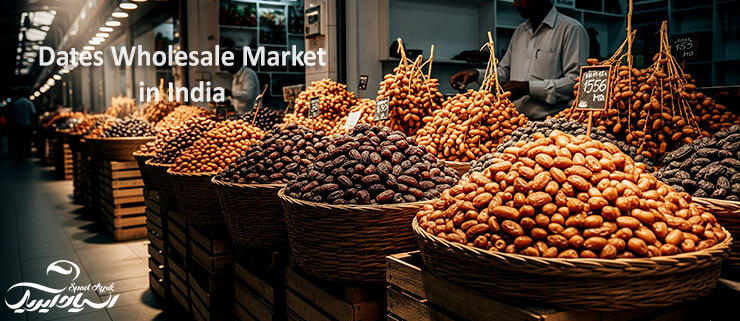
India is one of the world’s largest consumers of dates, with demand driven by both everyday snacking and festive seasons. Most wholesale imports are routed through Nhava Sheva (JNPT) in Mumbai, Mundra (Gujarat), and Chennai (Tamil Nadu), which offer frequent sailings and established cold-chain and dry cargo facilities. Lead times from the Middle East typically range from 2–4 weeks port-to-port depending on the line and trans-shipment.
Traders and wholesalers in India are increasingly turning to Iranian dates, especially Mazafati and Piarom, for their superior quality, unique taste, and competitive wholesale prices. If you are looking to buy dates in India, importing directly from Iran is the key to accessing premium quality and maximizing profits.

Buy Dates in India – Growing Demand for Premium Dates

The Indian market for dates is expanding year after year. With a population exceeding 1.4 billion, and a strong cultural connection to dates during Ramadan and festive seasons, demand has never been higher. Apart from traditional use, the growing health-conscious consumer base in India is turning to dates as a natural alternative to processed sugar.

Iranian dates particularly Mazafati and Piarom are in high demand because they offer superior taste, better nutritional value, and competitive wholesale pricing compared to many other varieties available in the Indian market. Traders who buy dates in India and import directly from Iran have the advantage of supplying premium products to both retail and industrial buyers.

Dates Wholesale Market in India – Opportunities for Traders

India has a diverse wholesale market for dates, with major trading hubs in cities like Mumbai, Delhi, Hyderabad, and Chennai. These cities act as distribution centers for smaller towns and rural areas, ensuring that dates reach every corner of the country.

Key opportunities for traders in India include:

  • Supplying retail stores and supermarkets during peak seasons like Ramadan and Diwali.
  • Providing bulk dates to food manufacturers who use them in sweets, chocolates, biscuits, and health bars.
  • Catering to the growing online retail market where premium Iranian dates are sold directly to consumers.

By tapping into the wholesale market in India, traders can expand their business and meet the growing demand for high-quality dates across the country.

Dates Wholesale Market in India

Types of Dates in India – Local and Imported Varieties

There are many types of dates in India available for consumers, ranging from locally grown varieties to premium imports. Some of the most popular categories include:

  • Local Indian dates: Grown mainly in Rajasthan and Gujarat.
  • Middle Eastern dates: Ajwa, Safawi, and Medjool are popular among Indian consumers.
  • Iranian dates: Mazafati, Piarom, Kabkab, and Zahidi are known for their superior quality and competitive prices.

Traders who diversify their portfolio by offering both local and imported types of dates in India can capture a wider share of the market.

Read More: Best Dates to Sell in Indian Market

Dates Price in India – What Traders Should Know

Mazafati dates are one of the most popular Iranian varieties in India. Known for their soft texture, rich sweetness, and high moisture content, they are widely used in households as well as in the food industry. The price of Mazafati dates in India depends on several factors, including:

  • Season and harvest time: Prices may fluctuate based on availability.
  • Packaging: Premium packaging for retail costs more than bulk cartons.
  • Order size: Larger bulk orders can significantly reduce the cost per kilogram.
  • Supplier reliability: Direct imports from a trusted Iranian supplier guarantee better pricing compared to local intermediaries.

For Indian wholesalers and retailers, importing Mazafati dates directly from Iran ensures premium quality at the most competitive wholesale prices.

Read More: Ways to Identify Original Mazafati Dates

Piarom Dates Suppliers in India – The Luxury Choice

Piarom dates, also known as ‘Chocolate Dates,’ are considered one of the most luxurious varieties of Iranian dates. Their semi-dry texture, caramel-like flavor, and long shelf life make them highly popular in premium retail stores, gift packaging, and among health-conscious consumers in India.

Why Piarom dates are a great choice for Indian traders:

  • High demand in the premium and luxury market segment.
  • Strong appeal for health-focused and vegan consumers.
  • Excellent storage and transportation capability.

Indian suppliers who import Piarom dates from Iran can position themselves as providers of exclusive, luxury products, expanding their market reach and increasing profitability.

Bulk Dates Import from Iran to India – A Step-by-Step Guide

Importing dates from Iran to India is a straightforward process when working with the right partner. Here’s how Indian traders can successfully import dates:

  1. Identify the variety: Decide whether you want Mazafati, Piarom, Kabkab, Zahidi, or other varieties.
  2. Choose a trusted supplier: Work with an experienced exporter like Espad Tejarat Ayrik.
  3. Negotiate wholesale pricing and packaging: Tailor the packaging to your target market (retail or wholesale).
  4. Arrange shipping and logistics: Iran’s proximity ensures affordable sea and land transport.
  5. Complete customs clearance in India: A reliable supplier will provide all necessary documents for smooth clearance.

By following these steps, traders can streamline the import process and avoid unnecessary delays or costs.

Read More: How to import dates from iran to india

Why Indian Importers Choose Iranian Dates

India is one of the largest markets for date consumption and trade. Over the years, Iranian dates have gained significant popularity among Indian importers, wholesalers, and distributors because of their excellent quality, competitive prices, and wide variety.

One of the major advantages of Iranian dates is the availability of different varieties suitable for various market segments. From premium soft dates to semi-dry and industrial varieties, importers can choose products that match their customers’ preferences and business requirements.

Another important factor is the geographical proximity between Iran and India, which facilitates transportation and helps reduce delivery times. Iranian suppliers are also experienced in export procedures and can provide flexible packaging options for wholesale orders.

In addition, competitive pricing makes Iranian dates an attractive choice for Indian wholesalers and food distributors. Whether buyers are looking for premium products or economical options, Iran offers a wide selection of dates suitable for different applications and consumer markets.

Today, many Indian businesses prefer Iranian dates because of their consistent quality, reliable supply, and export experience.

Popular Iranian Date Varieties in India

Indian buyers import different varieties of Iranian dates depending on market demand, consumer preferences, and intended applications. Some varieties are highly popular among retailers and supermarkets, while others are widely used in wholesale distribution and food processing industries.

Mazafati Dates

Mazafati dates are among the most popular Iranian dates in India. Their soft texture, rich flavor, and natural sweetness make them highly attractive to consumers. These dates are commonly sold through supermarkets, retail chains, and premium food stores.

Piarom Dates

Piarom dates are considered one of the premium varieties exported from Iran. Their semi-dry texture and long shelf life make them an excellent choice for wholesalers and international distributors. They are especially popular among customers seeking high-quality products.

Zahedi Dates

Zahedi dates are widely used in wholesale markets and food industries because of their durability and lower moisture content. Their affordable price and good transportation resistance make them suitable for large-scale distribution.

The diversity of Iranian date varieties allows Indian importers to select products according to their target customers and market demands.

Packaging Options for Indian Buyers

Packaging plays a crucial role in preserving product quality and meeting the expectations of Indian wholesalers and retailers. Iranian exporters provide various packaging solutions to accommodate different market requirements.

Retail packaging is available in sizes such as 400 g, 500 g, 600 g, and 1 kg, making it suitable for supermarkets and grocery stores. Bulk packaging in 5 kg and 10 kg cartons is commonly preferred by wholesalers and distributors.

Many buyers also request customized packaging and private-label solutions to market products under their own brands. Flexible packaging options allow importers to strengthen their brand identity and increase their competitiveness.

For more information about packaging solutions, buyers can also explore the article on Iranian Dates Packaging for Export.

Why India Imports Large Quantities of Iranian Dates

India is one of the largest importers of Iranian dates, with demand coming from wholesalers, retailers, supermarkets, food processors, and distributors.

Several factors contribute to the popularity of Iranian dates in the Indian market:

  • Wide selection of date varieties
  • Competitive wholesale pricing
  • Reliable year-round supply
  • Suitable packaging for retail and wholesale
  • Strong trade relationships between Iran and India

These advantages make Iranian dates a preferred choice for businesses serving different customer segments across India.

Bulk Dates Supply for Indian Wholesalers

Indian wholesalers and distributors often require large quantities of dates to meet growing consumer demand. Iranian suppliers are capable of providing bulk orders for different varieties and packaging sizes.

Bulk supply offers several advantages, including lower packaging costs, easier transportation, and greater flexibility for repackaging and distribution. Cartons of 5 kg and 10 kg are among the most commonly used formats for wholesale trade.

Importers can order premium varieties such as Mazafati and Piarom dates, as well as more economical varieties such as Zahedi dates. Depending on customer requirements, suppliers can also provide customized packaging and private-label services.

Reliable supply chains and extensive export experience have made Iranian suppliers trusted partners for many Indian wholesalers and food distributors.

How to Import Dates from Iran to India

Importing dates from Iran to India is a straightforward process when working with experienced exporters. The first step is selecting the appropriate date variety and packaging according to market requirements.

After confirming the order specifications, suppliers prepare the products and arrange packaging based on customer preferences. Export documents and shipping arrangements are then completed to ensure smooth delivery.

Depending on the order size and destination, products may be transported by sea or other available shipping methods. Many exporters provide support throughout the process and help buyers choose suitable packaging and logistics solutions.

Indian importers typically consider factors such as product quality, shelf life, packaging requirements, and delivery schedules before placing wholesale orders. Working with reliable suppliers helps ensure consistent quality and long-term business success.

As demand for natural and healthy products continues to increase, Iranian dates remain one of the preferred choices for wholesalers and distributors across India.


Best Dates Supplier in India – Why Choose Aspad Tejarat Ayrik?

Aspad Tejarat Ayrik is a leading exporter of premium Iranian dates, trusted by international buyers around the world. For Indian traders, we offer:

  • High-quality Mazafati, Piarom, and other Iranian varieties.
  • Competitive wholesale pricing direct from farms in Iran.
  • Flexible packaging options for retail and wholesale markets.
  • Reliable logistics and fast delivery to India.
  • Experience in handling bulk exports and customs documentation.

By partnering with Aspad Tejarat Ayrik, Indian wholesalers and retailers gain a trusted partner committed to quality, consistency, and business growth.

We ship in accordance with Indian import requirements and provide a complete documentation set to help you clear cargo without delays.

Standard documents we provide:
Commercial Invoice and Packing List
Certificate of Origin (Chamber-attested)
Phytosanitary Certificate when required by the route or buyer
Bill of Lading (Original or telex release as agreed)
Product specifications (variety, grade, moisture/Brix, net/gross weights, lot numbers)

Read More: Trusted Dates Supplier for Global Wholesale

Packaging Options for Indian Importers

Packaging requirements vary depending on the distribution channel.

Indian buyers commonly choose:

  • Retail boxes
  • Bulk cartons
  • PET containers
  • Vacuum packaging
  • Private label packaging

Reliable packaging protects product quality during transportation while also improving shelf presentation and brand recognition.


Tips for First-Time Importers

If you are importing dates from Iran for the first time, consider the following recommendations:

  • Request product samples.
  • Confirm packaging specifications.
  • Discuss shipping methods and delivery schedules.
  • Verify export documentation requirements.
  • Choose an experienced supplier with international trade expertise.

These steps help reduce purchasing risks and build long-term business relationships.

Conclusion

The demand for premium dates in India is growing rapidly, driven by cultural traditions, health awareness, and the expanding food industry. Iranian dates, especially Mazafati and Piarom, stand out for their taste, quality, and affordability compared to other varieties. For Indian traders, this presents an excellent opportunity to import directly from Iran and expand their market share.

If you are looking to buy dates in India at wholesale prices, Aspad Tejarat Ayrik is your trusted supplier. With years of experience, consistent quality control, and competitive pricing, we ensure that our Indian clients receive only the best. Contact us today to discuss your requirements and place your bulk order.

📞 Partner with Aspad Tejarat Ayrik now – and bring authentic Iranian dates to the Indian market with confidence.
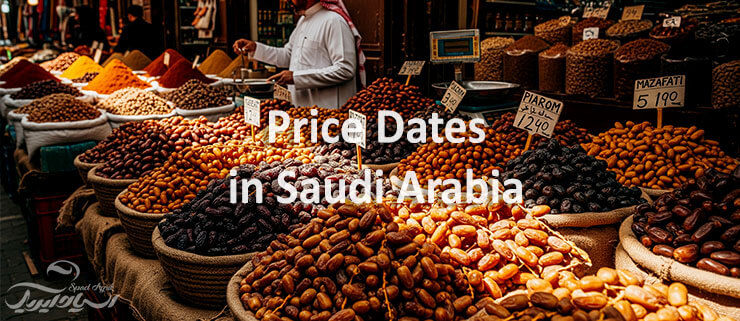
buy dates in India, Iranian dates wholesale India, Mazafati dates price in India, Piarom dates India, bulk dates supplier India

Frequently Asked Questions (FAQ)

  1. How can I import dates from Iran to India?

To import dates from Iran to India, follow these steps:

  • Choose your desired variety (e.g., Mazafati, Piarom, Kabkab, or Zahidi).
  • Find a reliable Iranian supplier who can handle packaging, documentation, and shipping.
  • Negotiate price, packaging, and delivery terms.
  • Arrange transportation to major Indian ports such as Nhava Sheva, Mundra, or Chennai.
  • Complete customs clearance and health/quarantine certifications in India.
  1. Which types of Iranian dates are suitable for the Indian market?

India’s demand for high-quality and healthy date products is growing. Popular Iranian varieties for this market include:

  • Mazafati Dates (soft, sweet, and perfect for retail).
  • Piarom Dates (semi-dry and premium quality).
  • Kabkab Dates (affordable and suitable for processing).
  • Zahidi Dates (dry, with a long shelf life, ideal for bulk buyers).
  1. What factors affect the price of dates in India?

The wholesale price of dates depends on:

  • Season and availability.
  • Packaging type (retail boxes vs. bulk cartons).
  • Order volume — larger orders usually get lower per-kg prices.
  • The supply chain — direct imports from Iran are generally cheaper than buying through middlemen.
  1. Why is direct import from Iran a better option?

Importing directly from Iran offers several advantages:

  • Higher quality and freshness from the source.
  • Competitive wholesale prices.
  • Better control over packaging, labeling, and export documentation.
  • Experienced exporters who can manage logistics and customs requirements.
  1. What should I know about packaging and shipping?

For exports to India:

  • Packaging should match the target market (retail or bulk).
  • Sea freight is the most common and cost-effective shipping method (2–4 weeks transit time).
  • The supplier must provide all export documents — including invoice, packing list, certificate of origin, health certificate (if required), and bill of lading.
  1. What are the business opportunities in the Indian date market?

India’s date market is expanding rapidly due to:

  • High consumption in major cities like Mumbai, Delhi, Hyderabad, and Chennai.
  • Seasonal demand peaks during Ramadan, Diwali, and festive seasons.
  • Growing health-conscious consumers preferring imported, premium-quality dates.
  1. What documents should I receive from the supplier?

When importing, make sure the supplier provides:

  • Commercial invoice and packing list.
  • Certificate of origin (verified by the Chamber of Commerce).
  • Health or phytosanitary certificate (if required).
  • Bill of lading (original or endorsed copy).
  • Product specifications (date type, grade, moisture level, net/gross weight, batch number).
  1. Who are the main bulk buyers of dates in India?

Key buyers in India include:

  • Supermarkets and retail chains.
  • Food manufacturers using dates in sweets, snacks, and health bars.
  • E-commerce sellers offering premium or imported dates.

Buy Dates Saudi Arabia – Import Premium Iranian Dates for Wholesale Business

Saudi Arabia is one of the largest consumers of dates in the world. Dates play a vital role in Saudi culture, daily diet, and religious traditions, especially during Ramadan and Hajj. While Saudi Arabia produces many local varieties of dates, wholesalers and traders are increasingly turning to Iranian dates due to their superior quality, competitive prices, and strong international reputation. If you are a trader in Saudi Arabia looking to buy Iranian dates in bulk , Mazafati and Piarom dates are excellent options to expand your business and satisfy customer demand.

Buy Dates Saudi Arabia

For traders and wholesalers in Saudi Arabia, choosing the right type of dates is essential for business success. Iranian dates have earned global recognition for their unique flavor, nutritional value, and attractive appearance. Unlike many local varieties that are mostly consumed domestically, Iranian dates are grown and processed with export in mind. This means that packaging, grading, and quality standards are carefully maintained to meet the expectations of international markets.

By importing Iranian dates, Saudi businesses can offer their customers premium quality products at prices that are often more competitive than alternatives. In addition, Iran’s proximity to Saudi Arabia ensures faster shipping and lower transportation costs, making Iranian dates the perfect choice for traders who want both quality and profitability.

Dates of Saudi Arabia vs. Iranian Dates

The dates of Saudi Arabia, such as Ajwa, Safawi, Sukkari, and Mabroom, are highly valued and form an important part of the Kingdom’s heritage. However, Iranian dates like Mazafati, Piarom, Kabkab, and Zahidi bring a different taste profile and texture that attract global markets, including Saudi consumers.

For example:

  • Ajwa dates from Medina are known for their spiritual and cultural significance, but they are more expensive and limited in supply.
  • Safawi dates are soft and dark but not as moist and sweet as Mazafati Dates.
  • Sukkari dates are crunchy and sweet but lack the caramel-like richness of Piarom Dates.

By adding Iranian dates to their product portfolio, Saudi traders can diversify their offerings and meet the preferences of customers who seek variety and premium quality.

Price Dates in Saudi Arabia for Wholesale Traders

Mazafati dates are among the most popular Iranian varieties imported into Saudi Arabia. Known for their soft flesh, rich sweetness, and high moisture content, they are often referred to as the ‘crown jewel’ of Iranian dates. For Saudi traders, the price of Mazafati dates in Saudi Arabia depends on factors such as:

  • Order volume: Larger bulk purchases secure better prices.
  • Packaging type: Premium retail packaging is more expensive than wholesale cartons.
  • Seasonality: Prices may fluctuate after the harvest season.
  • Supplier reliability: Working with a direct Iranian exporter reduces costs compared to buying from intermediaries.

Aspad Tejarat Ayrik provides Saudi wholesalers with direct access to Mazafati Dates at competitive wholesale rates, ensuring that businesses maximize profit margins while delivering premium quality to their customers.

Price Dates in Saudi Arabia

Price Dates in Saudi Arabia

Piarom Dates in Saudi Arabia – A Premium Choice for Business

Piarom dates, often called the ‘Chocolate Date,’ are considered one of the most luxurious semi-dry date varieties from Iran. Their chewy texture, natural sweetness, and caramel-like flavor make them especially appealing to high-end markets. For Saudi businesses, offering Piarom dates means catering to premium customers, luxury hotels, gift shops, and health-conscious consumers.

Benefits of importing Piarom dates into Saudi Arabia include:

  • Long shelf life, making them ideal for storage and transport.
  • High demand among premium date buyers.
  • Strong nutritional value, appealing to health-focused markets.

Saudi traders who invest in Piarom Dates can differentiate themselves in the market by offering a product that combines luxury, taste, and profitability.

How to Import Dates from Iran to Saudi Arabia

Importing Iranian dates into Saudi Arabia is a straightforward process when working with a reliable supplier. Here is a simple step-by-step guide for traders:

  1. Identify your target product: Decide whether you want Mazafati, Piarom, Kabkab, or other varieties depending on your market demand.
  2. Select a trusted supplier: Choose an experienced exporter like Aspad Tejarat Ayrik to ensure quality and smooth transactions.
  3. Negotiate price and packaging: Wholesale prices depend on order volume and packaging type.
  4. Arrange shipping and logistics: Iran’s close distance to Saudi Arabia makes sea and land transport affordable and efficient.
  5. Customs clearance and delivery: A reliable supplier will provide the necessary documents to make customs clearance easier in Saudi Arabia.

By following these steps, traders can confidently import dates and expand their business operations.

Read More: Ultimate Guide to Importing Dates | Steps, Documents & Pro Tips

Why Choose Aspad Tejarat Ayrik as Your Trusted Supplier?

Aspad Tejarat Ayrik is a leading Iranian exporter of premium dates, specializing in bulk shipments to international markets. Here is why Saudi traders trust us:

  • Years of experience in date export and international trade.
  • Consistent quality control and professional grading.
  • Competitive wholesale pricing directly from Iranian farms.
  • Flexible packaging options tailored for both wholesale and retail.
  • Reliable logistics and fast shipping to Saudi Arabia.

By partnering with Aspad Tejarat Ayrik, Saudi wholesalers gain a trusted ally in growing their business with premium Iranian dates.

Buy Iranian Dates in Bulk

Read More: Trusted Iranian Dates Supplier for Global Wholesale

Contact Us to Buy Dates Saudi Arabia

Are you a trader or wholesaler in Saudi Arabia looking to import high-quality Iranian dates? Aspad Tejarat Ayrik is ready to supply you with Mazafati, Piarom, and other premium varieties at the best wholesale prices. Contact us today to discuss your requirements, get a customized quotation, and secure your bulk order. Together, we can grow your business with authentic Iranian dates delivered directly to Saudi Arabia.

Conclusion

The dates market in Saudi Arabia is one of the largest and most profitable in the world. While local varieties such as Ajwa and Safawi hold cultural and religious significance, Iranian dates – especially Mazafati and Piarom – stand out for their unmatched taste, nutritional value, and competitive prices. For traders and wholesalers in Saudi Arabia, importing directly from a trusted Iranian supplier means guaranteed quality, sustainable supply, and better profit margins.

If you are a dates trader or wholesaler in Saudi Arabia and want to:

  • Access the finest quality Iranian dates,
  • Buy at competitive, farm-direct wholesale prices,
  • Ensure timely delivery with professional packaging,

Now is the time to act. Aspad Tejarat Ayrik is your reliable partner for bulk Mazafati, Piarom, and other premium Iranian date varieties.

📞 Contact us today to place your bulk order and secure authentic Iranian dates delivered directly to Saudi Arabia.


The quality of dates is one of the most important factors consumers should consider when choosing this ancient and culturally significant fruit. More than just a naturally sweet treat, dates are a powerhouse of essential vitamins, fiber, and natural energy—making them a healthy and delicious choice for people of all ages. Understanding quality becomes even more important when exploring different Types of Dates , each offering unique textures, flavors, and characteristics.

In this guide, you’ll learn the key signs of good date fruit quality, how to spot fresh and premium dates, and what to avoid when shopping. From their appearance and texture to their aroma and taste, we’ll show you exactly how to choose good dates every time. Whether you’re a casual snacker or a date enthusiast, this article will help you discover the best dates to eat and store them properly for lasting freshness.

Why Date Fruit Quality Matters

When it comes to enjoying dates, quality makes all the difference. High-quality dates aren’t just more flavorful—they’re also richer in nutrients, safer to eat, and far more satisfying. Poor-quality or stale dates may lack the sweetness, softness, and texture that make this fruit so beloved around the world.

Because date fruit is often consumed without much processing, its freshness and natural condition are essential. Choosing fresh, good-quality dates ensures you’re getting the most nutritional value, including fiber, potassium, and natural sugars that offer a clean source of energy. On the other hand, low-grade dates may be overly dry, contain mold, or even lose their natural taste due to poor storage.

Whether you’re buying dates for everyday snacking, cooking, or religious occasions, understanding date fruit quality helps you avoid waste and enjoy a healthier, more authentic product.

Signs of High-Quality Dates

Knowing how to identify high-quality dates can make all the difference when it comes to taste, texture, and health.

Characteristics of quality dates:

1. Natural Shine and Uniform Color

High-quality dates usually have a natural, healthy shine—without appearing overly glossy or oily (which can indicate artificial coating). The color should be consistent throughout the fruit, whether deep brown, golden, or reddish, depending on the variety. Uneven coloring or white patches could be a sign of age or poor storage.

2. Smooth, Unbroken Skin

A premium date has firm yet tender skin with no excessive wrinkles, cracks, or peeling. While some wrinkling is normal—especially in dry varieties—fresh dates should not feel brittle or look dehydrated.

3. texture of high-quality dates

When gently pressed, a good date should feel soft and slightly springy, not hard, dry, or too sticky. Overly mushy dates may be overripe or improperly stored, while excessively dry ones may have lost moisture and flavor.

4. The taste and smell of good dates

A fresh date emits a light, sweet aroma. If you notice any sour, fermented, or unpleasant odor, it’s a red flag. Bad smells are often a sign of spoilage or improper handling.

5. No Signs of Mold, Sugar Crystals, or Pests

Check closely for any black spots, white fuzzy mold, or sugar crystallization on the skin. These are signs that the dates are old or improperly stored. Also avoid dates with small holes, which may indicate insect damage.

By learning to recognize these signs, you can confidently select high-quality dates that are flavorful, fresh, and full of nutritional benefits.

Signs of High-Quality Dates

Signs of High-Quality Dates

How to Choose the good Dates When Shopping

How to Choose Good Dates When Shopping

Buying good dates doesn’t have to be tricky—if you know what to look for. Whether you’re shopping at a local market or ordering online, here are some simple tips to help you choose fresh, high-quality dates every time:

  1. Check the Packaging (If Pre-packed)
  • Choose dates in clear packaging so you can see the product.
  • Look for clean, sealed bags with no moisture inside.
  • Avoid boxes with foggy plastic, as it could mean condensation and possible mold.
  1. Check the Expiry or Harvest Date
  • Always check the packaging date and expiration date.
  • Fresher is better—especially for soft or semi-soft dates like Medjool.
  1. Inspect the Appearance
  • Whether loose or packed, the dates should look clean, shiny (but not oily), and plump.
  • Stay away from dates that look dry, broken, or have too much sugar on the surface.
  1. Smell If Possible
  • If you’re buying loose dates in a store, give them a quick smell.
  • A good date will smell sweet and natural—not sour or strange.
  1. Choose Trusted Brands or Sellers
  • Buy from well-known date producers, especially if shopping online.
  • Look for keywords like “premium,” “organic,” or “export quality” on labels.
  1. Consider the Type of Date
  • Piarom: Semi-dry, dark brown, and chewy with mild sweetness—premium quality and low in sugar.
  • Kabkab: Soft and juicy with rich caramel flavor—best eaten fresh or used in desserts.
  • Zahedi: Dry and firm with a golden color—long shelf life, good for cooking or snacking.

Choose based on your taste and how you plan to use them—soft for immediate eating, dry for storage or recipes.

By following these simple steps, you can be confident that you’re choosing good, fresh dates that are safe, tasty, and worth your money.

How to identify adulterated dates

While most dates on the market are natural and safe, some may be adulterated—altered with artificial substances to improve appearance, weight, or shelf life. Here’s how to spot them:

  1. Unnatural Shine or Stickiness

What to look for: Dates that are overly glossy or sticky may be coated with glucose syrup, oil, or other chemicals.

Tip: Natural dates have a soft sheen but shouldn’t feel greasy or wet to the touch.

  1. Unusual Sweetness or Aftertaste

Warning sign: A sharp, overly sweet taste or artificial aftertaste could mean added sugar or flavoring.

  1. Visible Crystals or White Powder

Crystals: Excess sugar on the surface may suggest artificial sugar coating.

White powder: Could be signs of either old age (sugar bloom) or chemical preservatives—check for expiration.

  1. Strong Chemical Smell

What to avoid: Dates with a chemical or alcohol-like smell may have been treated with preservatives or fumigants.

  1. Inconsistencies in Shape or Size

In bulk packages, mixing different grades or types of dates to increase volume is a common trick.

Look for uniformity in shape, size, and texture.

Where to Buy High-Quality Dates

To ensure you’re getting high-quality, fresh, and naturally processed dates, it’s best to buy from trusted suppliers with a proven track record. If you’re looking to buy Iranian dates with good price, we invite you to work with Espad Tejarat Ayric. As a trusted supplier of premium date varieties such as Piarom, Kabkab, and Zahedi, we are committed to delivering only the best—directly from Iran’s finest farms to your business. Contact us today to place your order or learn more about our export services.

Conclusion

Choosing high-quality dates doesn’t have to be complicated. By paying attention to simple signs—like texture, color, smell, and packaging—you can easily identify fresh, good dates and avoid poor or adulterated ones. Whether you’re buying for personal use or business, knowing what to look for helps you enjoy better flavor, nutrition, and value.

For those seeking premium Iranian dates such as Piarom, Kabkab, or Zahedi, working with a trusted supplier like Espad Tejarat Ayric ensures you receive products that meet the highest standards of quality and authenticity.

In the competitive world of athletics, fuel is everything. Athletes are constantly searching for a performance edge—a source of energy that is clean, effective, and natural. While the market is flooded with synthetic gels, powders, and bars, one of the most potent and time-tested superfoods comes directly from nature: the date. Packed with a unique blend of nutrients, dates offer a powerful trifecta of energy, recovery, and overall health benefits, making them an indispensable part of any athlete’s diet.

Below is a detailed breakdown of the specific benefits of dates for athletes.

Dates are a complete nutritional powerhouse

The primary advantage of dates lies in their remarkably dense and comprehensive nutritional profile. They are far more than just a sweet treat; they are a one-stop-shop for many of the macro and micronutrients essential for peak athletic performance.

  • Fast-Acting Carbohydrates: Dates are rich in natural sugars like glucose, fructose, and sucrose. These are easily digestible carbohydrates that provide a rapid source of fuel to power working muscles.
  • Essential Minerals: Dates are loaded with minerals critical for athletic function. They are an exceptional source of potassium, which is vital for fluid balance and preventing muscle cramps. They also contain magnesium, which plays a role in over 300 enzymatic reactions, including energy production, muscle contraction, and protein synthesis. Other key minerals include calcium, iron, phosphorus, copper, and selenium.
  • Vitamins and Fiber: Dates provide valuable B-complex vitamins, including ​,B2​,B3​,B5​,B6​, and ​, which are crucial for converting food into energy. Furthermore, their high dietary fiber content aids in a slower, more sustained release of this energy, preventing the dreaded sugar crash common with processed snacks.
  • Potent Antioxidants: Dates are packed with powerful antioxidants such as carotenoids, polyphenols, and flavonoids, which play a critical role in an athlete’s recovery process.

dates for bodybuilding: Optimizing Energy and Performance

For any athlete, maintaining high energy levels is paramount. Dates are perfectly engineered by nature to serve this exact purpose.

The combination of quick-release sugars and slow-release fiber makes dates an ideal fuel source. They provide an immediate energy boost without causing a sharp spike in blood sugar, thanks to their relatively low glycemic index (GI). This sustained energy release is perfect for pre-workout priming and for refueling during long endurance events like marathons or cycling.

Moreover, the minerals in dates directly contribute to performance. Magnesium helps transport blood sugar into the muscles and facilitates the clearance of lactate, which can build up during intense exercise and cause fatigue. Iron is essential for producing hemoglobin, the protein in red blood cells that carries oxygen to the muscles. Adequate oxygen supply is a cornerstone of endurance.

dates for bodybuilding

dates for bodybuilding

using dates to prevent muscle cramps

Muscle cramps are common among athletes and can disrupt performance and recovery. One natural and effective way to help prevent cramps is by incorporating dates into your diet, especially before or after physical activity. Dates contain several key nutrients that directly support muscle function, electrolyte balance, and hydration, all of which are essential for cramp prevention.

  1. High Potassium Content for Electrolyte Balance
  2. Magnesium for Muscle Relaxation and Nerve Function
  3. Sodium-Free and Hydrating with Natural Sugars
  4. Practical Usage for Cramp Prevention

Tip:

Combine dates with a pinch of sea salt and a handful of nuts to create a more complete electrolyte-rich snack that supports hydration, energy, and cramp prevention.

Benefits of Eating Dates After a Workout for Muscle Gain

Eating dates after a workout offers several targeted benefits for athletes aiming to build muscle. Their unique nutritional composition supports both the anabolic recovery phase and muscle repair processes, making them an ideal post-exercise snack when combined with protein.

  1. Rapid Glycogen Replenishment
  2. Enhanced Protein Utilization
  3. Rich in Muscle-Supporting Micronutrients
  4. Anti-Inflammatory and Antioxidant Support
  5. Natural, Clean Energy Source

Combating Exercise-Induced Oxidative Stress

Intense physical activity, while beneficial, generates a high volume of free radicals (Reactive Oxygen Species or ROS). This leads to a state known as oxidative stress, which can cause cellular damage and inflammation. The rich concentration of polyphenols and flavonoids in dates acts as a powerful defense mechanism, neutralizing these harmful free radicals. By reducing oxidative stress, dates not only support faster recovery but also bolster the athlete’s overall immune system.

Should You Eat Dates Before or After a Workout?

Both can be beneficial — it depends on your goal.

Before a Workout: For Quick Energy

  • Why? Dates are rich in natural sugars (glucose, fructose, sucrose) that provide fast energy.
  • When? Eat 2 to 4 dates about 30–60 minutes before exercise.
  • Best for: Cardio, weight training, running, or any intense physical activity.

After a Workout: For Recovery and Muscle Gain

  • Why? Dates help replenish glycogen stores and support muscle recovery. Their sugars also improve protein absorption when combined with a protein source.
  • When? Eat 2 to 3 dates within 30 minutes after your workout, ideally with protein (e.g., Greek yogurt, eggs, whey shake).
  • Best for: Muscle repair, recovery, and preventing cramps.

how many dates to eat before a workout?

For most people, 2 to 4 dates about 30 to 60 minutes before exercise is ideal.

Dates provide fast-acting natural sugars (glucose, fructose, sucrose), which give your body quick energy. This is especially helpful before moderate to intense workouts. Their small amount of fiber helps prevent sugar crashes without causing stomach discomfort if timed properly.

  • Light workouts: 1–2 dates
  • Moderate to intense workouts (over 45 min): 3–4 dates
  • With water: Always drink water to support digestion and hydration
  • You can also pair them with a little protein (like nuts or yogurt) for longer-lasting energy.

Conclusion

dates for athletes seeking to optimize their performance and recovery through nutrition are an unparalleled choice. They offer a natural, convenient, and delicious way to fuel workouts, accelerate muscle repair, and protect the body from stress. By incorporating this ancient fruit into a modern training regimen, athletes can unlock a powerful and sustained source of energy, proving that sometimes the best performance enhancers are the ones grown on trees.

// width=
Our customer support team is here to answer your questions. Ask us anything!