
Are Dates High in Sugar? What You Need to Know
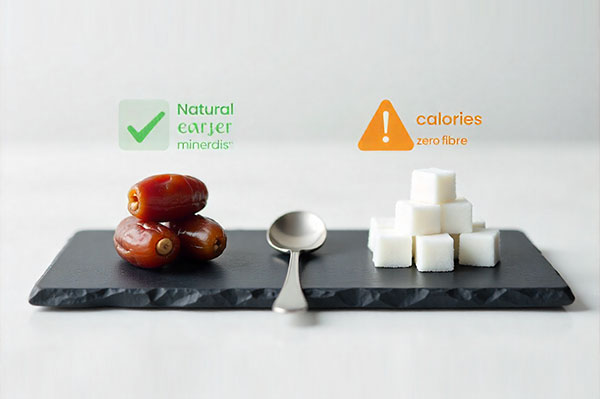
Dates are among nature’s sweetest fruits — soft, caramel-like, and packed with energy. But with that sweetness comes a common question: are dates high in sugar? Whether you’re watching your blood sugar, following a weight-management plan, or simply curious about healthy snacking, understanding how much sugar dates contain (and what kind of sugar it is) is key.
If you want to experience their natural sweetness for yourself, try some of the world’s finest Iranian dates – known for their rich flavor, smooth texture, and naturally balanced sugar content.
The truth is, dates do contain a significant amount of natural sugar, but that’s only part of the story. Unlike refined sugar, the sweetness in dates comes wrapped in fiber, minerals, and antioxidants that can influence how your body processes that sugar. So while dates taste indulgent, their impact on blood glucose — and your overall health — depends on how many you eat, the variety you choose, and what you eat them with.
In this article, we’ll break down exactly how much sugar is in dates, compare them to other fruits and sweeteners, explore their glycemic index, and offer practical tips on how to enjoy dates without spiking your blood sugar. Let’s separate the myths from the facts so you can decide whether dates deserve a regular spot in your diet.
Sugar Content in Dates: The Numbers
Dates are naturally high in sugar — that’s part of what makes them so deliciously sweet. But how much sugar do they actually contain? The answer depends on the type of date, its size, and how it’s processed (fresh, semi-dried, or fully dried).
How Much Sugar Is in One Date?
On average, a single Medjool date contains about 16 grams of sugar. Smaller varieties like Deglet Noor typically contain around 4–6 grams of sugar per date.
That means even a few dates can add up quickly in terms of sugar intake — especially if you’re eating them by the handful.
| Date Type | Serving Size | Total Sugar (approx.) | Calories |
| Medjool | 1 large (24 g) | 16 g | 66 kcal |
| Deglet Noor | 1 medium (8 g) | 4.5 g | 23 kcal |
| 100 g (mixed dates) | — | ≈ 66 g sugar | 277 kcal |
Quick takeaway: 100 grams of dates — roughly 4 Medjool or 10 Deglet Noor — contain about 66 grams of sugar, which is more than what you’d get in a 330 ml can of cola.
Natural Sugar vs. Added Sugar
It’s important to note that the sugar in dates is natural, not added. The main types of sugar found in dates are:
Glucose
Fructose
Sucrose (depending on the variety)
Because dates are a whole fruit, their sugars come packaged with dietary fiber, minerals (like potassium and magnesium), and antioxidants that slow down sugar absorption in the bloodstream.
That means dates raise your blood sugar more gradually than refined sugar or candy — though they still provide a significant dose of carbohydrates.
Fresh vs. Dried Dates
Fresh (or “soft”) dates contain more water and less concentrated sugar, while dried dates have less moisture and a denser sugar content.
For example, 100 grams of fresh dates might contain around 35–40 grams of sugar, compared with 65–70 grams in the same weight of dried dates.
Tip: If you’re monitoring sugar intake, choose fresh or semi-dried dates and limit portion size — one or two dates can satisfy a sweet craving without overloading your blood sugar.
What Kind of Sugar Is in Dates?
Dates get their sweetness from natural sugars, not from anything added during processing. Unlike refined table sugar, which is almost pure sucrose, the sugar profile of dates is a mix of glucose, fructose, and sucrose — three simple carbohydrates that behave differently in your body.
1. Glucose
Glucose is the body’s main source of energy. It’s absorbed quickly, giving an almost immediate energy boost — one reason dates are a popular natural pre-workout snack.
However, because glucose enters the bloodstream rapidly, eating large amounts of dates at once can temporarily raise blood sugar levels.
2. Fructose
Fructose, also known as “fruit sugar,” is sweeter than glucose but metabolized mainly in the liver.
Although it doesn’t spike blood sugar as sharply as glucose, too much fructose — even from natural sources — can contribute to excess calorie intake and may affect metabolism in some individuals if consumed in large quantities.
Dates contain a significant amount of fructose, especially softer varieties like Medjool.
3. Sucrose
Sucrose is a combination of glucose and fructose (what we know as table sugar).
Some types of dates — especially drier varieties — contain higher sucrose levels, while others are dominated by glucose and fructose.
For example, Deglet Noor dates typically have more sucrose, whereas Medjool dates are richer in glucose and fructose.
| Sugar Type | Role in Dates | Effect on the Body |
|---|---|---|
| Glucose | Immediate energy | Raises blood sugar quickly |
| Fructose | Adds sweetness, metabolized in liver | Lower immediate blood sugar impact, but excessive intake can stress metabolism |
| Sucrose | Common in semi-dry dates | Breaks down into glucose + fructose during digestion |
The Natural Sugar Advantage dates
While the sugars in dates are simple carbohydrates, their impact is moderated by the fruit’s nutrient matrix — fiber, potassium, and antioxidants all help slow digestion and improve the body’s response.
That means eating a few whole dates is not the same as eating spoonfuls of white sugar: the presence of fiber and phytonutrients makes dates a smarter, more natural source of sweetness.
In short: Yes, dates are high in sugar — but it’s natural sugar that comes with beneficial nutrients, not the refined kind that leads to empty calories.
Glycemic Index, Glycemic Load & Blood Sugar Impact
Dates are undeniably sweet, but that doesn’t automatically mean they send your blood sugar skyrocketing.
To understand how dates actually affect blood glucose, we need to look at two key measurements: the Glycemic Index (GI) and the Glycemic Load (GL).
What Is the Glycemic Index (GI)?
The glycemic index ranks foods on a scale of 0 to 100 based on how quickly they raise blood sugar after eating.
- Low GI: 55 or less
- Medium GI: 56–69
- High GI: 70 or above
Despite their sweetness, dates generally fall into the low-to-medium GI range.
Most studies report GI values between 42 and 55, depending on the variety and ripeness level.
| Date Variety | Average GI | Category |
|---|---|---|
| Medjool | 55 | Medium |
| Deglet Noor | 47 | Low-medium |
| Barhi (fresh) | 42 | Low |
| Zahedi dates | 52 | Medium |
Key point: Even though dates are high in sugar, their glycemic index is not high, thanks to their fiber, antioxidants, and slower-digesting carbohydrate profile.
Do Dates Spike Blood Sugar?
The short answer is not as sharply as refined sugar, but portion size matters.
The fiber in dates (about 6–7 g per 100 g) slows carbohydrate absorption.
The natural balance of glucose and fructose results in a gentler, more gradual rise in blood sugar.
However, eating 5–6 Medjool dates at once can still cause a noticeable increase in glucose, especially for people with insulin resistance or diabetes.
To manage this:
- Pair dates with protein or healthy fat (nuts, yogurt, nut butter).
- Consume them after a balanced meal, not on an empty stomach.
- Monitor your personal response with a glucose meter if needed.
In summary: Dates contain natural sugars that raise blood glucose gradually, not suddenly. Their moderate GI and fiber content make them a better option than most processed sweets — as long as you keep portions reasonable.
Conclusion
So, are dates high in sugar? Yes — but it’s natural sugar wrapped in nutrition, not the refined kind that harms your health.
Dates are undeniably sweet, with about 60–70 grams of sugar per 100 grams, yet they also deliver fiber, potassium, magnesium, and antioxidants that slow sugar absorption and support your body in countless ways.
The real key is moderation and balance. One or two dates can be a smart, energizing snack — a perfect way to satisfy your sweet tooth without reaching for processed sweets. But eating too many, especially for those managing diabetes or weight, can quickly add up in sugar and calories.
Think of dates as a nutrient-dense natural sweetener, not as a free pass to unlimited sweetness. Enjoy them mindfully: pair them with protein or healthy fats, savor them after meals, and choose whole dates over syrups or refined sugar substitutes.
Top 5 Frequently Asked Questions about Dates Sugar
1. Are dates high in sugar?
Yes, dates are naturally high in sugar. On average, they contain 60–70 grams of sugar per 100 grams, depending on the variety and ripeness.
However, this sugar is natural, not added — and dates also include fiber, potassium, and antioxidants that help slow sugar absorption and balance their impact on blood glucose.
2. How much sugar is in one date / 100 g of dates?
- One Medjool date (about 24 g): ~16 g of sugar
- One Deglet Noor date (about 8 g): ~4.5–5 g of sugar
- Per 100 g of dates: roughly 65–70 g of sugar
So yes, they are sweet — but remember, their sugar comes in a nutrient-rich package rather than refined form.
3. Do dates spike blood sugar?
Dates have a low-to-moderate glycemic index (GI 42–55), meaning they don’t cause a sharp spike in blood sugar when eaten in moderation.
Because they contain fiber and natural compounds, the rise in glucose levels happens more gradually.
Still, eating too many dates at once can increase blood sugar significantly — so portion control is key.
4. Are dates safe for diabetics?
Yes — in moderation.
Research shows that most people with diabetes can safely consume 1–2 medium dates per serving without large blood sugar spikes, especially when paired with protein or healthy fat (like nuts or yogurt).
Always monitor your own response and follow your doctor’s guidance.
5. Which date variety has less sugar?
Sugar content varies by type and moisture level:
- Fresh or semi-dried dates (like Barhi or Zahidi) have less concentrated sugar.
- Smaller varieties (like Deglet Noor) generally contain less sugar per piece than large, moist ones like Medjool.
If you’re watching your sugar intake, choose smaller or semi-dried dates and limit portion size.
6. Dates vs other dried fruit sugar content
Dates are among the sweetest dried fruits:
| Fruit (100 g) | Sugar (g) |
|---|---|
| Dates | 66 g |
| Raisins | 65 g |
| Prunes | 38 g |
| Dried apricots | 53 g |
| Dried figs | 47 g |
So yes, dates are high in sugar — but they also provide more fiber and minerals than many other dried fruits.
7. Are dates better than candy / other sweets?
Definitely.
While both are sweet, dates contain natural sugars plus nutrients like potassium, magnesium, and antioxidants — whereas candy and refined sugar offer only empty calories.
Dates also have fiber, which helps control blood sugar and supports gut health.
So if you crave something sweet, a couple of dates are a far healthier choice than candy.


Leave a Reply
Want to join the discussion?Feel free to contribute!