
The Best Way to Wash Dates
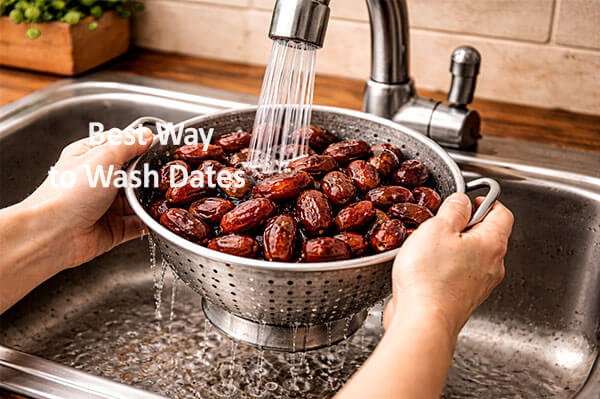
When it comes to enjoying dates safely, many people overlook one important question: what is the best way to wash dates before eating them?
Although dates are often considered a ready-to-eat fruit, they can still carry dust, residues, or impurities from harvesting, drying, and packaging. That’s why taking a few simple steps to wash dates before eating can make a noticeable difference in both hygiene and taste. Knowing how to clean dates properly helps preserve their natural texture and sweetness while ensuring they are safe for everyday consumption.
When buy dates in bulk , cleanliness and proper handling become even more important, especially for bulk date purchases that are not individually packaged.
Do You Need to Wash Dates Before Eating?
Many people ask, should you wash dates before eating them, especially since dates are often sold as dried or ready-to-eat fruits. The truth is that dates do need washing in certain situations, particularly when there is a higher chance of exposure to dust, handling, or environmental contamination. In other cases, washing dates is optional but still recommended for extra hygiene.
Understanding when and why to wash dates before eating helps you make the safest choice without affecting their quality or texture.
When You Should Wash Dates
You should always wash dates if they fall into one of the following categories:
- Bulk dates sold without sealed packaging
- Unpackaged dates displayed openly in stores or warehouses
- Dates from local markets where handling by multiple people is common
These types of dates are more likely to collect dust, dirt, or residues during harvesting, transportation, and storage. Because dates have a naturally sticky surface, they can easily trap particles from their surroundings. In these cases, washing is not optional — it’s the safest way to clean dates properly before consumption.
When Washing Dates Is Optional
Washing dates may be optional if you are consuming:
- Packaged dates from reputable brands
- Factory-cleaned dates that have been processed and sealed under hygienic conditions
These dates are typically cleaned during industrial processing and packed in controlled environments. While they are generally safe to eat straight from the package, some people still prefer to rinse them lightly for peace of mind. This optional step won’t harm the dates as long as they are not soaked or exposed to excess moisture.
The Best Way to Wash Dates Step by Step
If you want the best way to wash dates without ruining their texture or sweetness, the key is to rinse quickly, handle gently, and dry completely. Follow this simple washing dates step by step method to clean dates properly before you eat or use them in recipes.

Best Way to Wash Dates Step by Step
Step 1: Sort and Inspect the Dates
Before washing, spread the dates on a clean plate or tray and quickly check for:
- dust or visible debris
- damaged or overly soft pieces
- signs of mold or sour smell (discard these)
This step prevents contamination and helps you avoid washing dates that are already spoiled.
Step 2: Place Dates in a Colander
Put the dates in a clean colander or sieve. Avoid washing them directly in a bowl of water—this often leads to soaking, which can make dates sticky, soggy, and faster to spoil.
Step 3: Rinse Under Cold Running Water (Fast!)
Turn on cold running water and rinse the dates for 10–20 seconds, gently moving them with your hand so the water reaches all sides.
This is the safest way to wash dates before eating without affecting quality.
Avoid hot water—it can soften the skin and change the texture.
Step 4: Gently Rub to Remove Surface Dust
While rinsing, lightly rub the surface of the dates with your fingers to remove:
- fine dust
- light residue from storage/transport
- sticky surface particles
Don’t scrub aggressively—dates are delicate and can tear, especially softer varieties.
Step 5 (Optional): Quick Natural Sanitizing Soak (Only if Needed)
If your dates are bulk dates from open markets or you suspect heavy handling, you can do a short sanitizing rinse:
- Mix 1 part vinegar + 3 parts water
- Dip dates for 30–60 seconds max
- Rinse quickly again with cold water
Keep it brief—long soaking increases moisture absorption and reduces shelf life.
Step 6: Dry Dates Completely (Non-Negotiable)
Drying is what keeps washed dates from spoiling.
Best drying method:
- Spread dates in a single layer on a clean towel or paper towel
- Pat them dry gently
- Let them air-dry for 20–40 minutes (until no surface moisture remains)
Fully dry dates = better taste + longer freshness
Storing dates while damp = faster mold and stickiness
Step 7: Store Properly After Washing
Once dry, store them based on how soon you’ll use them:
- Same day use: airtight container at room temp
- 1–2 weeks: airtight container in the fridge
- Longer storage: freezer-safe bag/container (best for bulk)
How to Dry Dates After Washing (Very Important)
Proper drying is just as important as washing. Even if you follow the best way to wash dates, failing at the drying stage can quickly ruin their texture, flavor, and shelf life. Drying dates after washing removes surface moisture that can lead to stickiness, fermentation, or mold. If you want to dry dates properly, use gentle methods and avoid heat or excess handling.
Air Drying vs Towel Drying
Both methods work well when done correctly, and the best option depends on time and quantity.
Air Drying (Best for Quality):
- Spread dates in a single layer on a clean tray or rack
- Place them in a well-ventilated, dry area
- Let them air-dry for 20–40 minutes
- Ideal for preserving natural texture and shine
Towel Drying (Best for Speed):
- Place dates on a clean kitchen towel or paper towel
- Gently pat them dry—do not rub aggressively
- Allow a short air-dry period afterward to remove remaining moisture
Best practice: combine both methods—pat dry first, then air-dry completely.
Can You Use a Fan or Oven to Dry Dates?
Using a Fan (Acceptable with Caution):
- A low-speed fan can help speed up air drying
- Keep the fan at a distance to avoid dust contamination
- Do not use strong airflow that hardens the outer skin
Using an Oven (Not Recommended):
- Even low heat can soften or partially cook dates
- Heat may cause sugar crystallization or flavor changes
- High risk of uneven drying and quality loss
Natural air circulation is the safest way to dry dates properly without damage.
Common Mistakes When Washing Dates
This section helps users avoid problems that shorten shelf life or affect taste. These washing dates mistakes are among the most common reasons dates spoil after cleaning.
Soaking too long:
Dates absorb water quickly. Extended soaking causes them to become mushy, overly sticky, and prone to fermentation.
Using soap or chemicals:
Dish soap, bleach, or strong cleaners can be absorbed into the fruit and make dates unsafe to eat. Plain water is enough.
Storing dates while wet:
Even slight moisture can lead to mold growth and off-flavors. Dates must be completely dry before storage.
Using hot water:
Hot water softens the skin and damages the natural structure of dried dates.
Overhandling during washing:
Excessive rubbing or pressure can tear the skin, especially in soft varieties like Medjool.
Washing Packaged Dates vs Bulk Dates
Not all dates require the same level of cleaning. Understanding the difference between washing packaged dates and washing bulk dates helps you choose the safest method while protecting quality, texture, and shelf life. This comparison is especially useful for consumers, retailers, and food businesses.
Packaged Dates vs Bulk Dates – Washing Comparison
| Factor | Packaged Dates | Bulk Dates |
| Packaging | Sealed, factory-packed | Open or loosely packed |
| Processing | Usually washed and cleaned during processing | Often minimally processed |
| Handling level | Limited human contact | Multiple handling points |
| Need for washing | Optional | Strongly recommended |
| Best washing method | Quick rinse under cold water | Thorough but fast rinse |
| Risk if not washed | Low | Medium to high |
| Drying importance | Moderate | Very high |
| Shelf life after washing | Longer if dried properly | Shorter if moisture remains |
Key Takeaways:
Washing packaged dates is generally optional, especially when they come from reputable brands that follow hygienic processing standards. A quick rinse may be done for personal comfort but is not always necessary.
Washing bulk dates is highly recommended due to greater exposure to dust, storage conditions, and repeated handling during transport and sale.
Bulk dates require extra attention during drying, as retained moisture can quickly lead to spoilage.
Tip: If you regularly use or sell dates, starting with properly handled bulk dates from trusted suppliers reduces the need for heavy washing and minimizes quality loss.
How to Store Dates After Washing
Storing dates correctly after cleaning is essential to keep them safe and fresh. Even when you follow the best way to wash dates, improper storage can shorten shelf life and affect taste. Learning how to store dates after washing helps prevent moisture damage, fermentation, and mold—especially when dealing with bulk dates.
Refrigeration vs Room Temperature
Choosing the right storage method depends on how quickly the dates will be used.
Room Temperature Storage
- Suitable for short-term use only
- Best if dates will be consumed within 24–48 hours
- Store in an airtight container
- Keep in a cool, dry place away from sunlight
Room temperature storage works well for small quantities meant for immediate consumption.
Refrigeration Storage (Recommended)
- Best option for washed dates
- Slows bacterial growth and fermentation
- Extends freshness without affecting flavor
- Ideal for washed bulk dates
Always place dates in a sealed, airtight container before refrigerating to avoid moisture absorption and odor transfer.
How Long Washed Dates Stay Fresh
One of the most common questions is how long do washed dates last. The answer depends on storage conditions and how well the dates were dried before storage.
| Storage Method | How Long Washed Dates Last |
| Room temperature | 1–2 days |
| Refrigerator | 1–2 weeks |
| Freezer | Several months |
Tip: If dates develop an off smell, excessive stickiness, or visible mold, they should be discarded immediately.
Read More: How to store dates to keep them fresh for months?
Storage Best Practices
- Always dry dates completely before storing
- Use airtight containers only
- Label containers with the washing date
- Avoid frequent opening of storage containers
Should You Wash Dried Dates or Medjool Dates?
Whether you should wash dates depends not only on how they are sold, but also on the type of dates you are consuming. Many people wonder if dried dates or Medjool dates need special treatment before eating. The answer is simple: yes, but with slight differences in method.
Should You Wash Dried Dates?
Yes, dried dates should usually be washed, especially if they are sold in bulk or without sealed packaging.
Dried dates often go through open-air drying and extended storage, which increases the chance of:
- dust accumulation
- handling residues
- environmental contaminants
Best practice for dried dates:
- Rinse quickly under cold running water
- Avoid soaking, as dried dates absorb water fast
- Dry thoroughly before storage or use
This quick rinse is enough to clean dried dates properly without changing their texture.
Should You Wash Medjool Dates?
Yes, Medjool dates should also be washed, but with extra care.
Medjool dates are:
- softer and moister than many dried varieties
- more delicate in texture
- more likely to tear if overhandled
Best practice for Medjool dates:
- Gently rinse under cold water for a few seconds
- Lightly rub the surface—no scrubbing
- Pat dry carefully, then air-dry completely
If Medjool dates are factory-packaged and labeled as ready-to-eat, washing is optional. However, many people still prefer a gentle rinse for added peace of mind.
Conclusion
Washing dates the right way is not just about cleanliness—it’s about protecting both your health and the natural quality of the fruit. When done correctly, proper washing removes dust and surface contaminants without damaging texture, flavor, or shelf life. In short, correct washing means safety plus quality.
By following the best way to wash dates—a quick rinse under cold water, gentle handling, complete drying, and proper storage—you can enjoy dates that are clean, fresh, and just as delicious as intended. Whether you’re eating a small portion at home or handling larger quantities, starting with the right washing method makes all the difference.
FAQs About Washing Dates (Snippet-Optimized)
Do I need to wash dates before eating them?
Yes, in most cases you should wash dates before eating, especially if they are sold in bulk or without sealed packaging. Washing removes dust and surface contaminants. For factory-packaged dates, washing is optional but a quick rinse can add extra hygiene and peace of mind.
Can washing dates ruin their taste?
No, washing dates will not ruin their taste if done correctly. A quick rinse under cold water followed by proper drying preserves their natural sweetness and texture. Problems only occur when dates are soaked too long or stored while still wet.
Is it safe to eat unwashed dates?
It can be safe to eat unwashed dates if they are factory-packaged and labeled ready-to-eat. However, bulk or unpackaged dates may carry dust or residues, making washing the safer choice. When in doubt, a quick rinse is recommended.
What is the safest way to clean dates?
The safest way to clean dates is to rinse them briefly under cold running water, gently rub the surface to remove dust, and dry them completely before eating or storing. Avoid soaking, hot water, or using soap or chemicals.


Leave a Reply
Want to join the discussion?Feel free to contribute!